Part one was all about the excitement of seeing Hong Kong on screen; now it’s time to talk tactics. In episode one of season 20 of The Apprentice, Lord Sugar sent two fresh teams into the city with a fiendish shopping list and just eight hours to get it done. Watching them zigzag across town, miss obvious shortcuts and ignore local clues, we couldn’t stop asking the same question: with a bit of Hong Kong know‑how, how much better could they have done?
In this second part, we break down their day item by item, look at where they went wrong (and occasionally right), and map out the smarter routes they could have taken. Nine items, one city, eight hours – here’s how the task could really have been won.
Reminder of the shopping list:
1. Shrimp paste – specified as “10 x 300g brick”
2. Mahjong set – “hand painted”
3. Baby corn – “4 catty, picked today”
4. Chinese calligraphy brush – a brush for Chinese writing (around 20 cm).
5. Dragon boat head – a wooden dragon head fixed to the front of a dragon boat, required to be about one metre in length.
6. Golden pineapple
7. Erhu
8. Ding ding illustration
9. Tea cake – “labelled 2005”
You can read more information on these local items in Part 1 of Following the Apprentice trail.
OK, Stanley. This is where many of you will remember that both teams made the trek out to the south side of Hong Kong Island – and both successfully secured the dragon boat head and ticked it off their list. The dragon boat head wasn’t bought in the market at all, but down at Stanley Beach, which makes perfect sense given that’s where real teams train and store their boats.
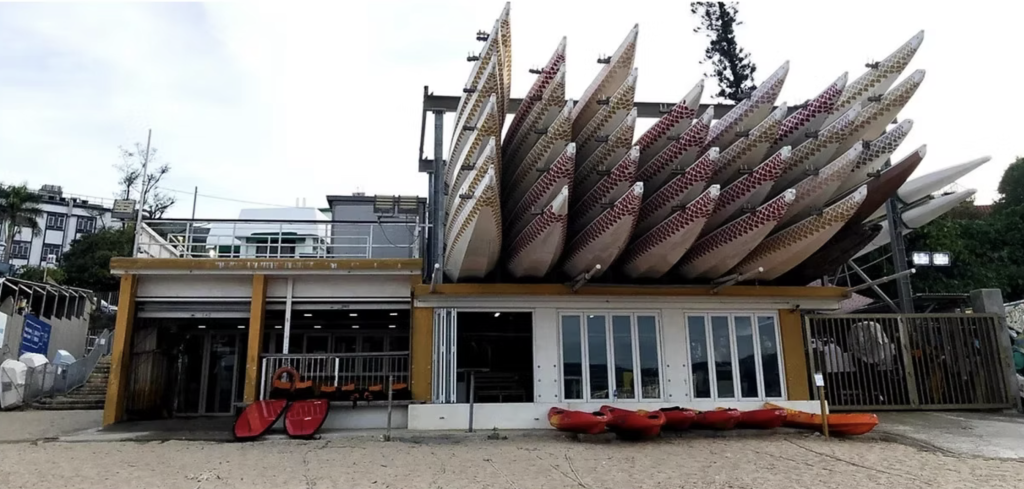
Crucially, the candidates weren’t battling for seats on the bus like regular visitors – they had private vehicles for the whole task. That should have made their day far more efficient, cutting out the waiting and walking time that comes with public transport. However, it didn’t help that the girls’ team famously managed to lose their driver, and basically lost the task trying to reunite with him.


The Wong family seem to have the arts and antiques cornered in Stanley Market!
Once they’d gone all that way, they could easily have picked up several more items in the same area. Stanley Market is packed with Chinese arts, crafts and souvenirs, while just beside Stanley Plaza the Tin Hau Temple area is where you’re most likely to find the golden pineapple as a paper offering used for worship. Between the market stalls, art and calligraphy stands, music and curios shops, and tram‑themed souvenirs, they stood a good chance of finding a ding ding illustration, an erhu, a Chinese calligraphy brush and that elusive golden pineapple without having to criss‑cross the whole city.
The trade‑off, of course, is still time. Even with private vehicles, Stanley is a long way from downtown, and it’s even longer once you factor in getting across to Lantau Island and up to the Big Buddha later in the day. In an eight‑hour task, that’s a serious chunk of the schedule spent on the road, even if the area itself is almost a one‑stop shop for several of the trickier items.
OK, so here is what they could have done – and the girls were SO close! In Aberdeen, the teacher at Mulberry House Kindergarten actually pointed them in the right direction, but where she told them to turn right, they turned left and ended up completely lost instead.
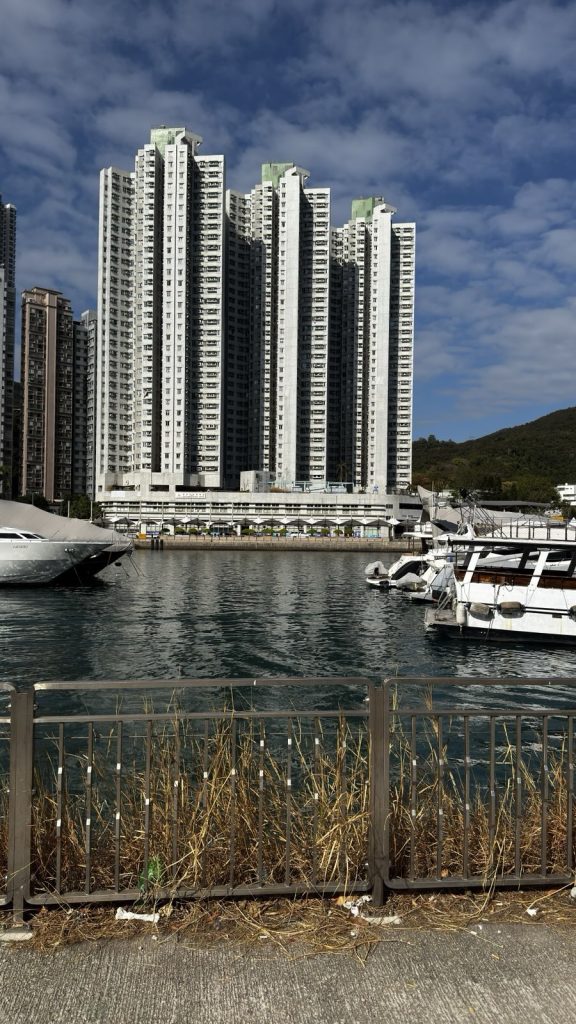
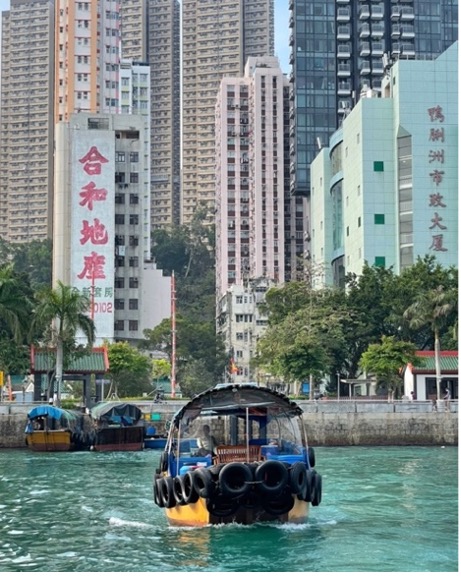
From Aberdeen, they had two very straightforward options: hop on the little kaito ferry across the water or jump back in their car and drive over to Ap Lei Chau. If they’d done that, they would have been in exactly the right neighbourhood for several of the items on their list. Ap Lei Chau is home to working fishing communities and a very abundant wet markets, and this is where they could realistically have sourced the shrimp paste, a dragon boat head, and found four catty of baby corn picked that day.
We found exactly these items in about 30-40 minutes.
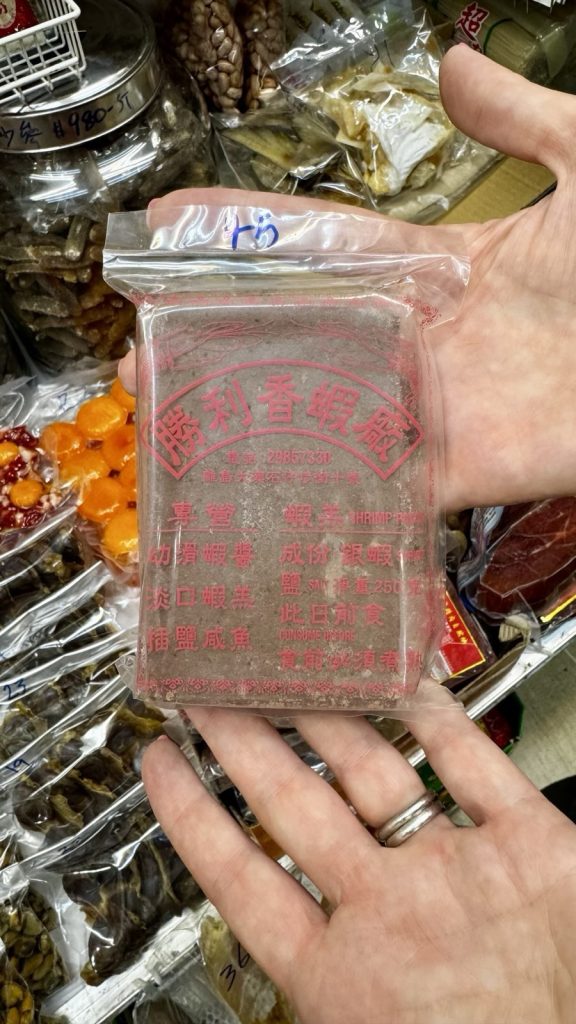
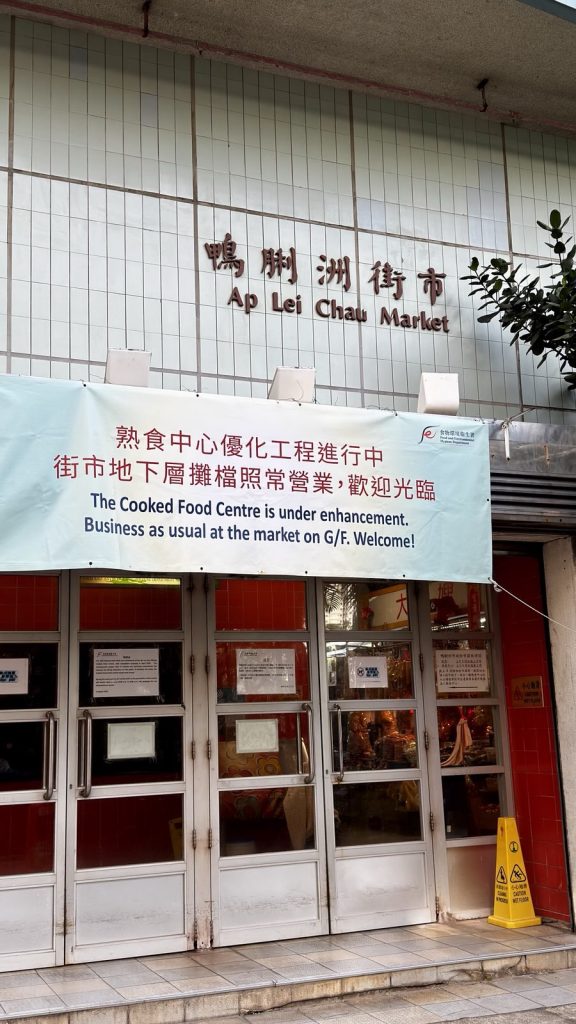
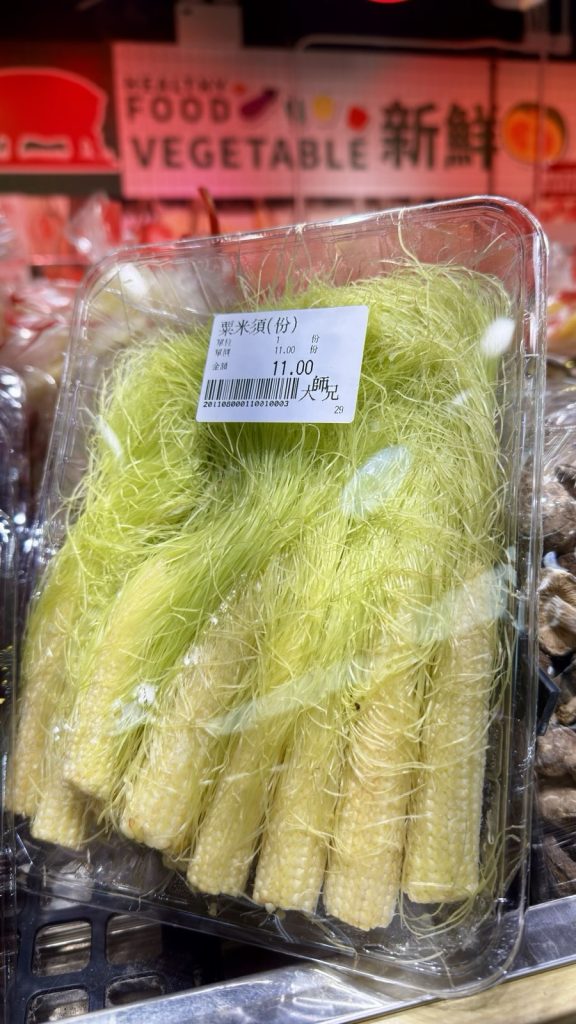
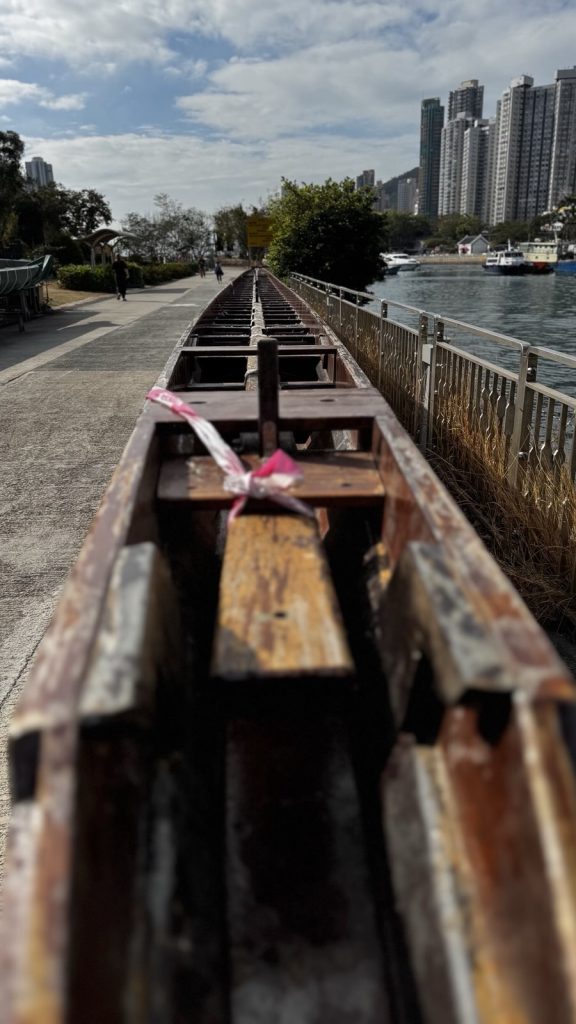
Ap Lei Chau is also home to a large fishing community with plenty of specialist boat builders, marine supply yards and at least three Dragon Boat Associations. Whilst Stanley wasn’t a bad shout for this item in our opinion, this area crucially could have been lucrative and saved so much time.

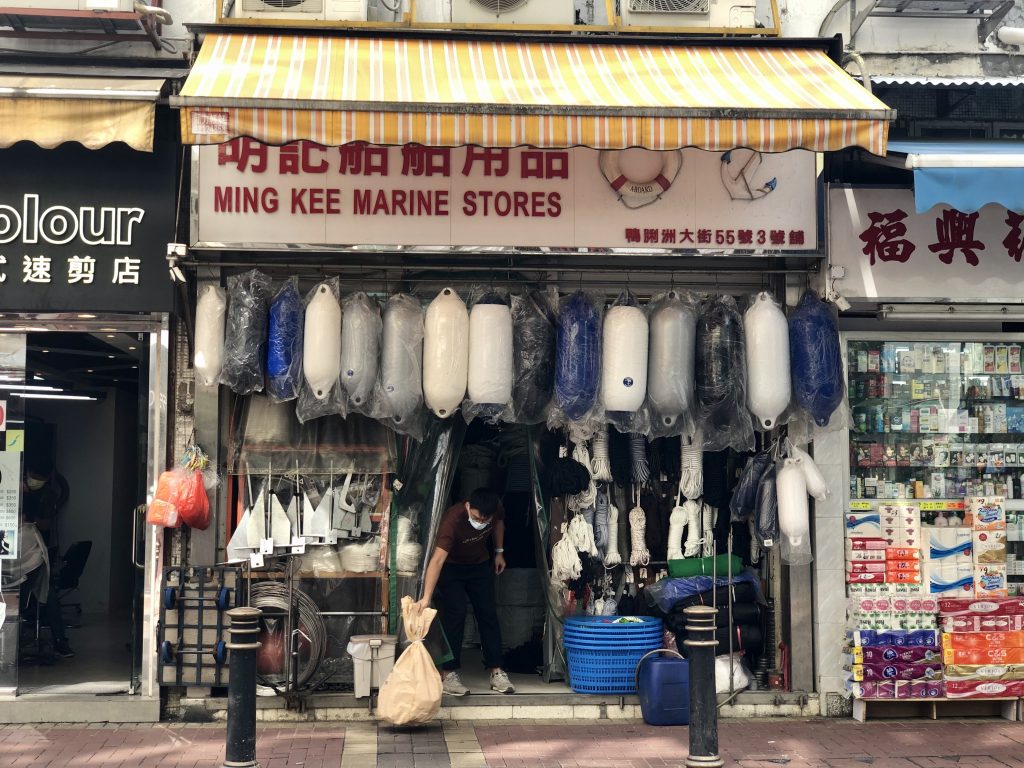
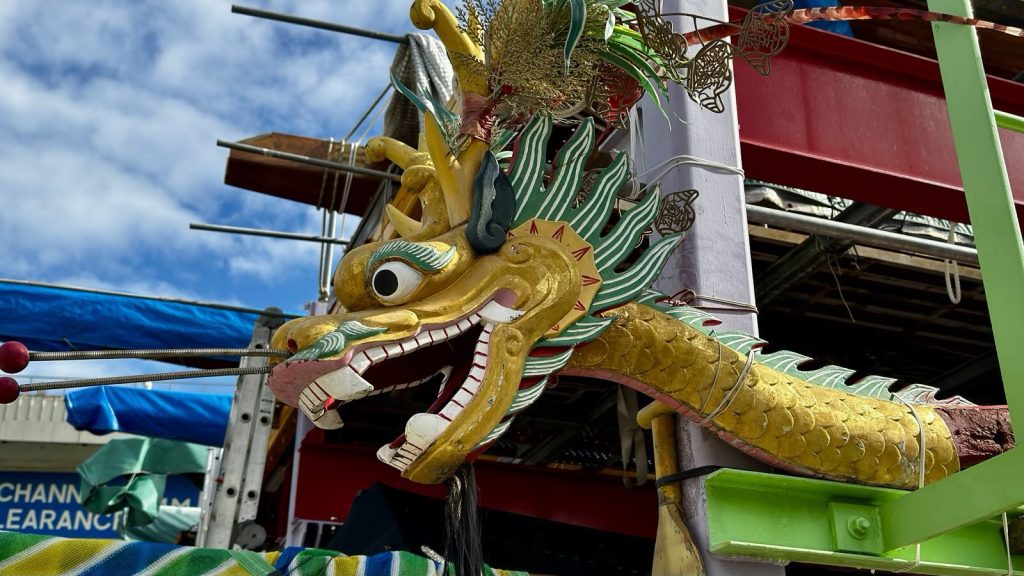
It’s also worth noting that the Aberdeen Wholesale Fish Market – where they actually ended up, only to find it closed – was never going to be the right place for bricks of shrimp paste. That kind of fermented product is sold through a very different network of shops and producers, not straight off the wholesale fish floor.
And finally, the Golden Pineapple offering…
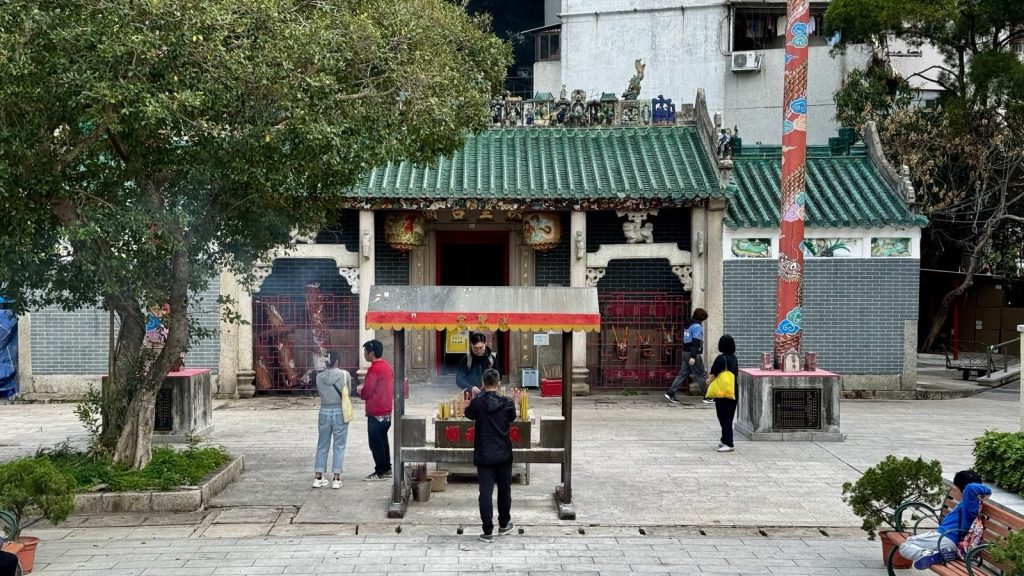
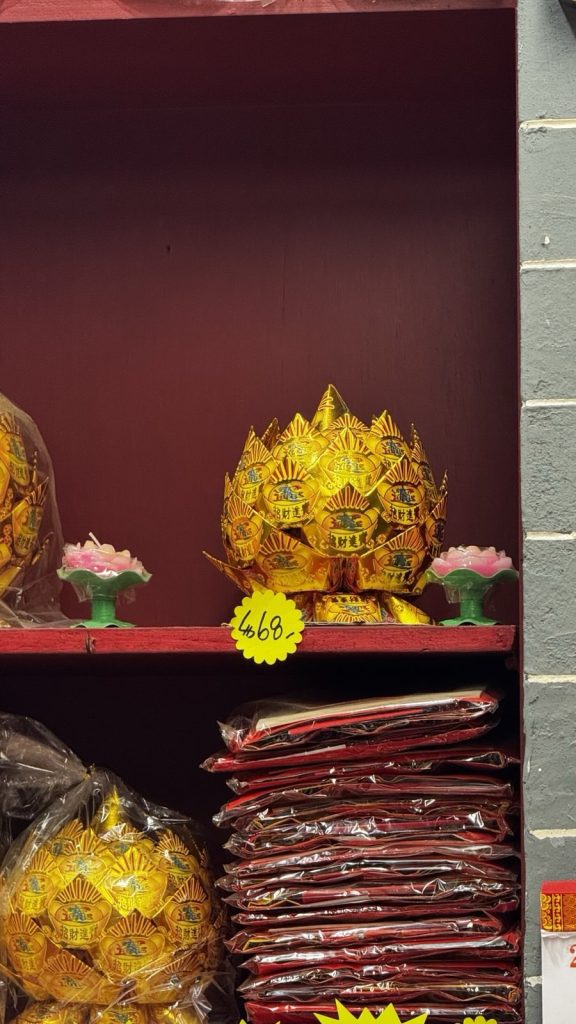
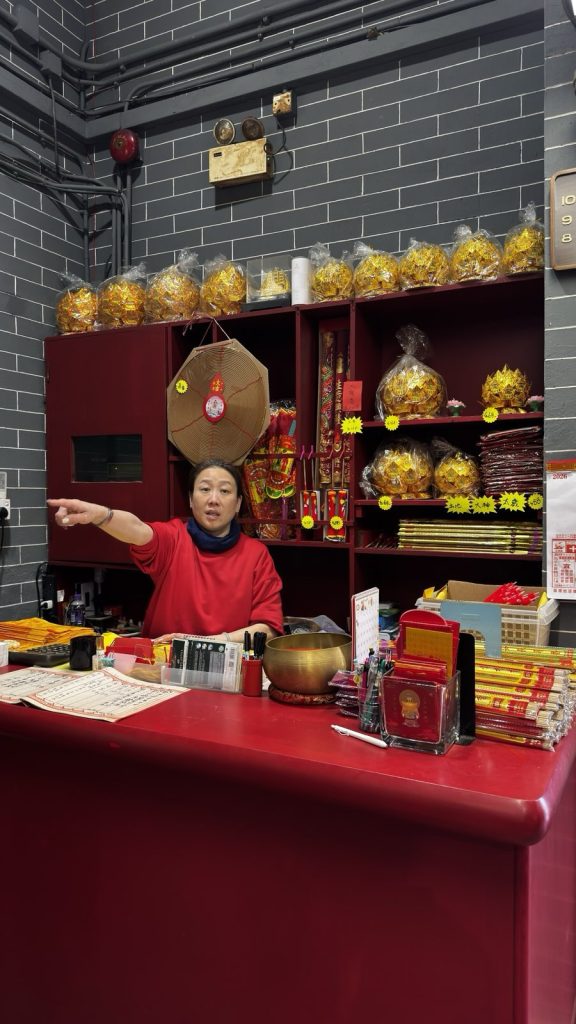
We would be certain that almost any temple would stock them. This is the Hung Shing Temple we walked into next to the Ap Lei Chau wet market. That would have been four out of the nine items ticked off already.
With more items still to track down, half the girls headed to Central in search of the mahjong set and baby corn – though quite why they didn’t pick up the vegetables around Peel Street and Graham Street (which they definitely walked through!) remains a mystery. In the end, they did manage to secure the mahjong set at Glocal Mahjong in PMQ, but not without a struggle; even finding the right unit number in Hong Kong’s high‑rise maze seemed to throw them off. Full credit, though, for negotiating an impressive 50% discount with the owner. That’s a note to ourselves for next time a guest asks where to buy a set – it is clearly it’s worth singing very nicely.

Glocal Mahjong would have been our first choice for the hand-painted mahjong set too, simply because it’s the most commercially accessible option. If you’re after a truly traditional, hand‑carved set from a specialist workshop, you’re usually looking at a six‑month pre‑order and a price tag in the thousands, which doesn’t exactly fit an eight‑hour Apprentice budget.
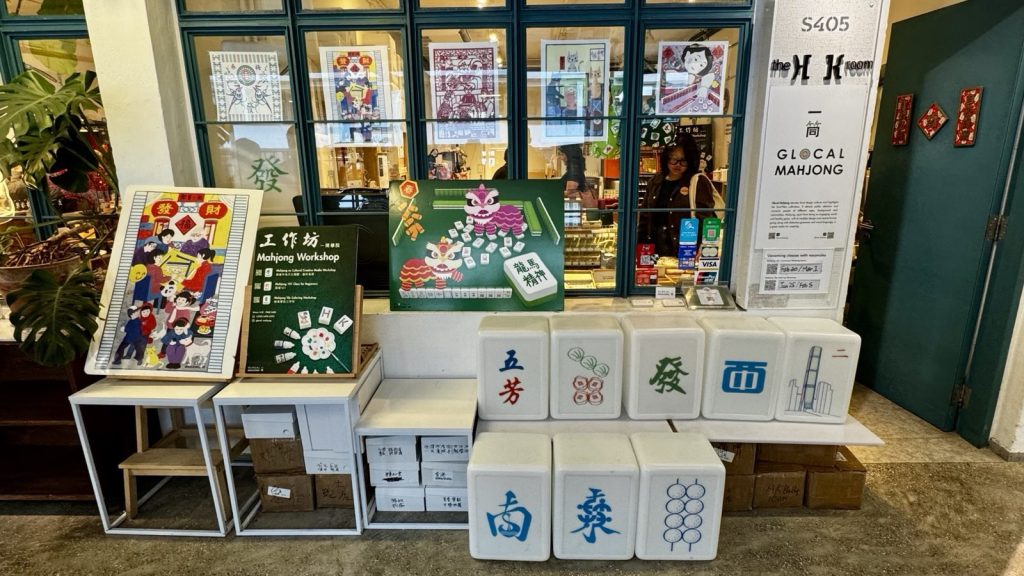
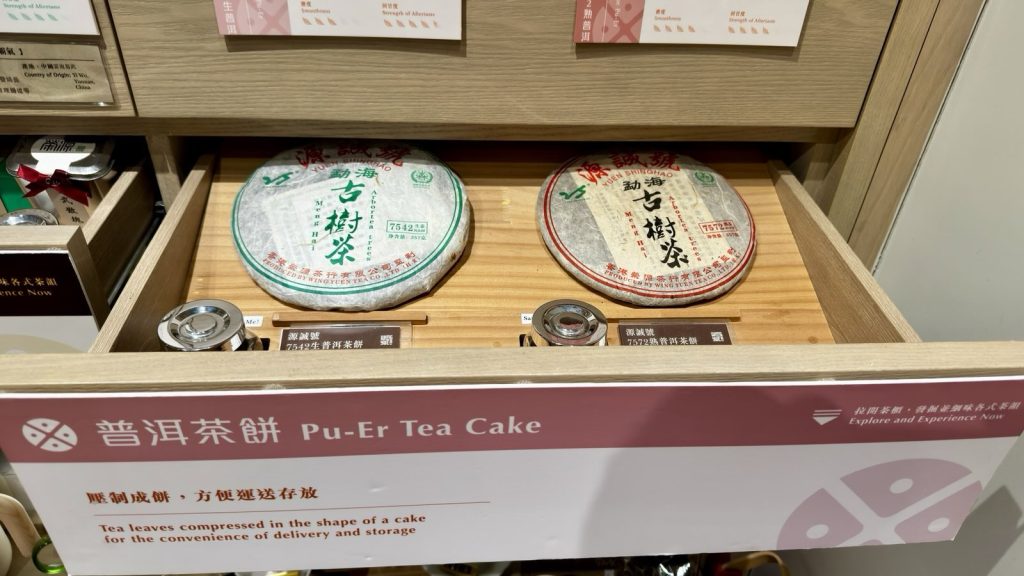
While they were in the neighbourhood, there were several other smart wins they could have picked up. PMQ itself has a tea shop inside, and Hollywood Road, Peel Street and the surrounding lanes are dotted with excellent tea merchants – including Wing Yuen Tea House on Peel Street that would have been ideal for the 2005 tea cake.
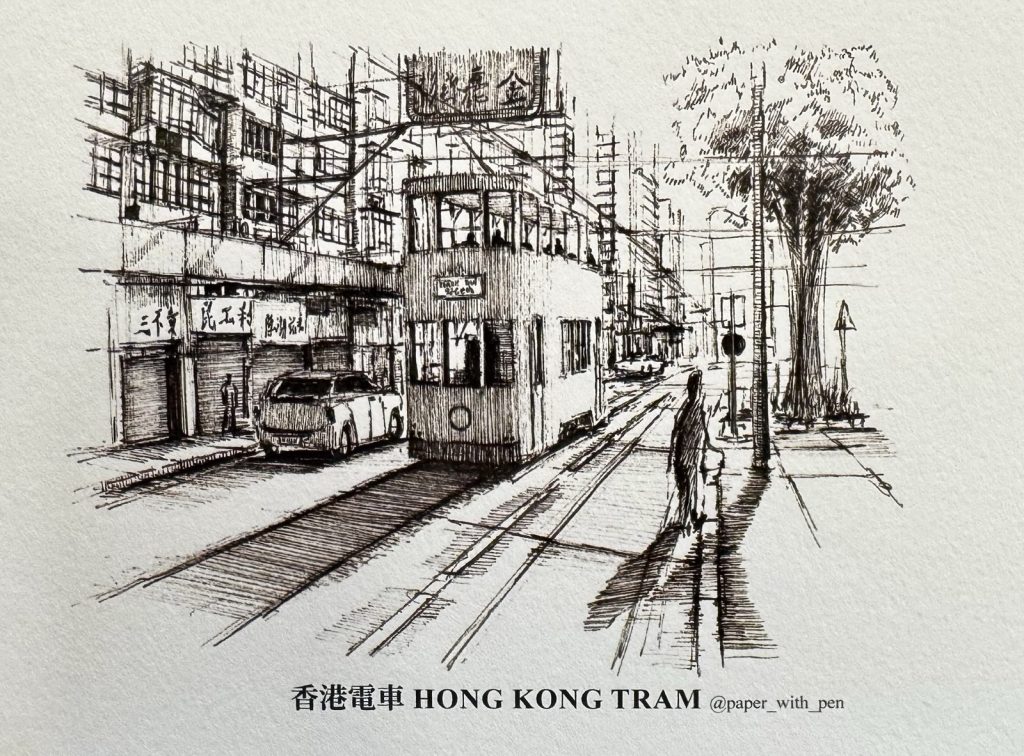
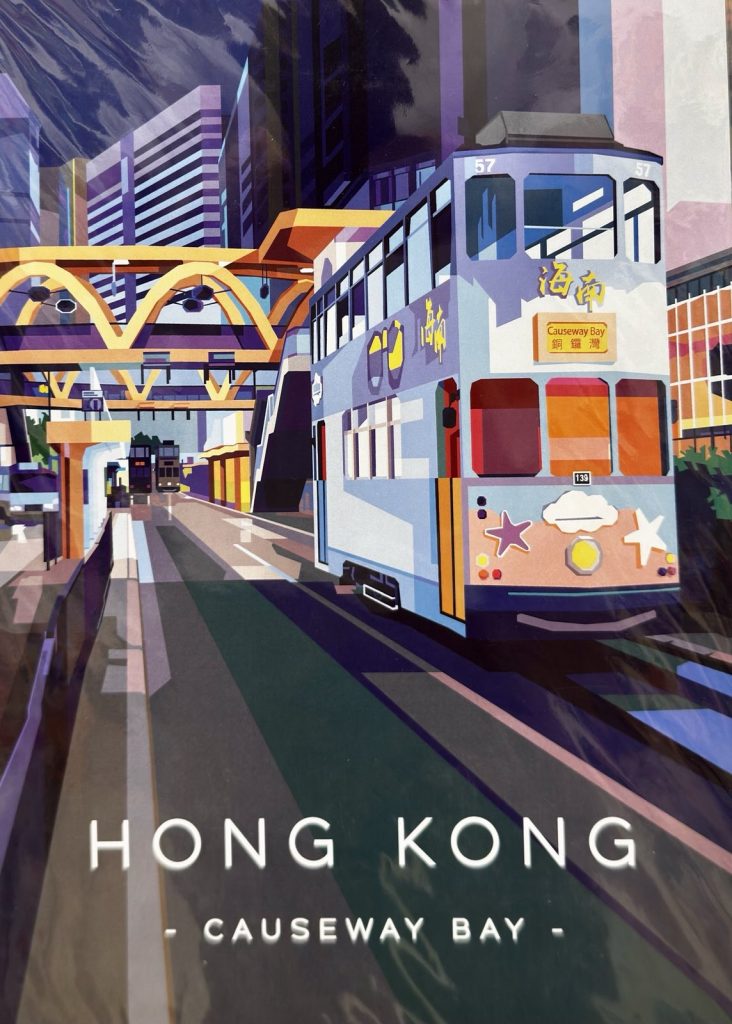
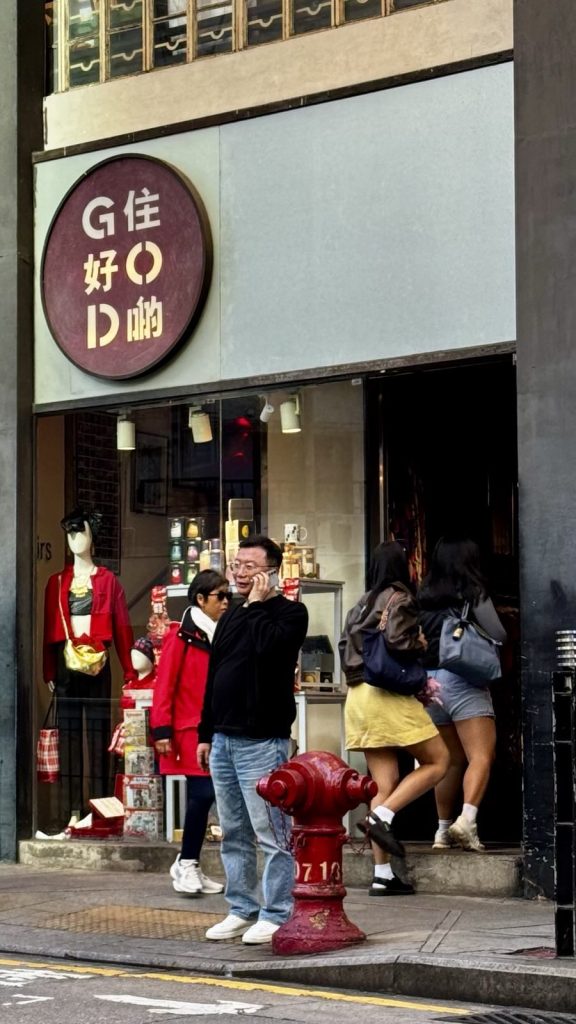
This same Central–SoHo grid would also have been perfect hunting ground for the ding ding tram illustration. Between Bookazine, Goods of Desire (G.O.D.) and Lion Rock Press, there are countless prints, cards and souvenirs celebrating Hong Kong’s beloved street scenes. We actually found a great ding ding illustration ourselves in the Bookazine on Lyndhurst Terrace – proof that, with a little local knowledge, the teams could have turned this compact area into a highly efficient one‑stop shop.
The boys’ team did at least head in the right direction by ducking into a stationery shop for the calligraphy brush, but came out empty‑handed. Their luck got even worse when the shop owner sold them paper from a brand called “Pineapple” – not quite the auspicious golden pineapple paper offering that was actually on the list.


Photo credit: BBC. Can we leave now? Please?
They did, however, manage to secure an erhu for around HK$475, which is an absolute steal for a traditional instrument. Because they were so pleased with the price, they didn’t want to be rude and rush the owner while he insisted on tuning it for them… very polite, very British – and very time‑consuming in the middle of an eight‑hour race.
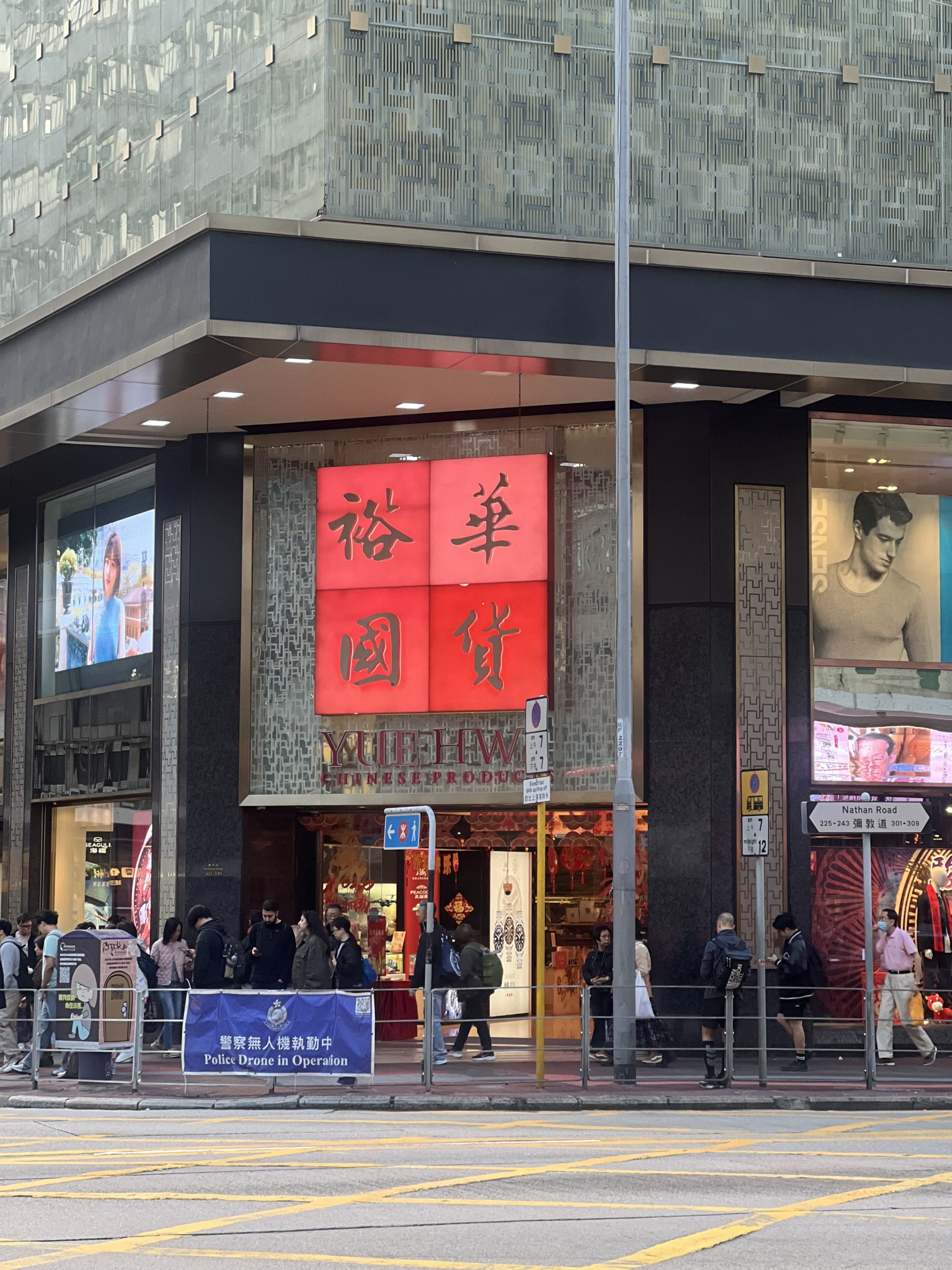
We have to admit it: on the erhu, the boys would have beaten us hands down. Our natural first stop for a Chinese instrument like that would have been the Yue Hwa Chinese Products Emporium in Kowloon, where the cheapest erhu we saw recently was around HK$2,800 – roughly five‑and‑a‑half times what the boys paid!
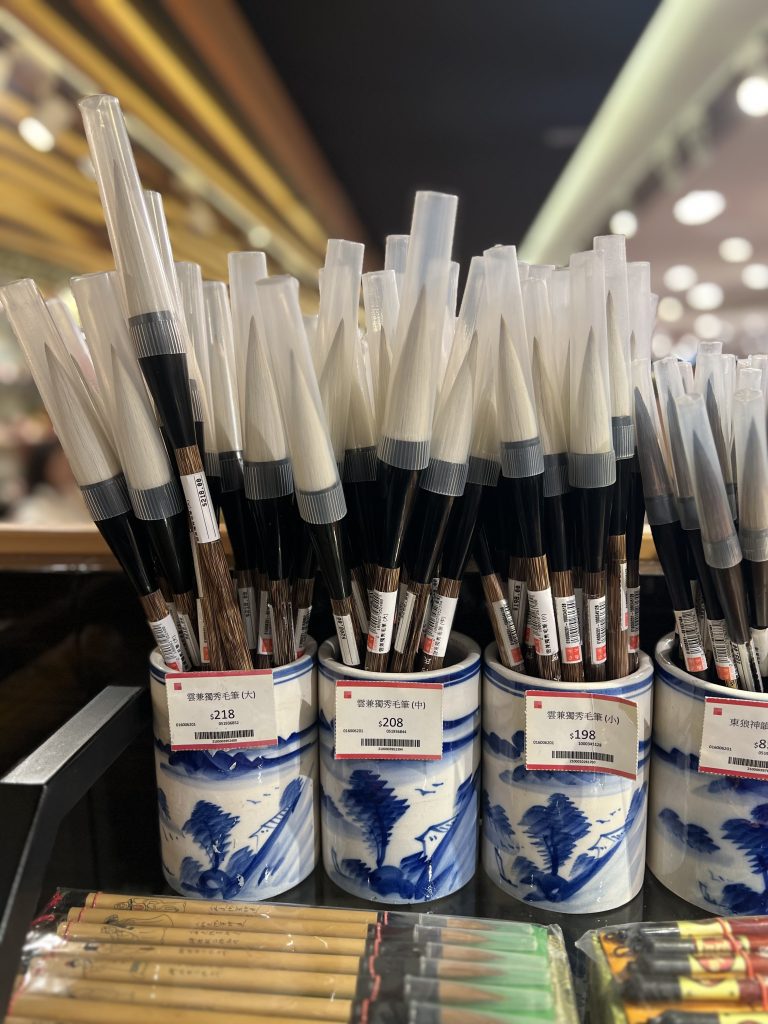

On the calligraphy brush, though, we’d have clawed back the win. Those are stocked in abundance at Yue Hwa, with perfectly good brushes starting from about HK$80. In other words, they nailed the bargain instrument, but there was a much easier (and cheaper) path to ticking off the brush.
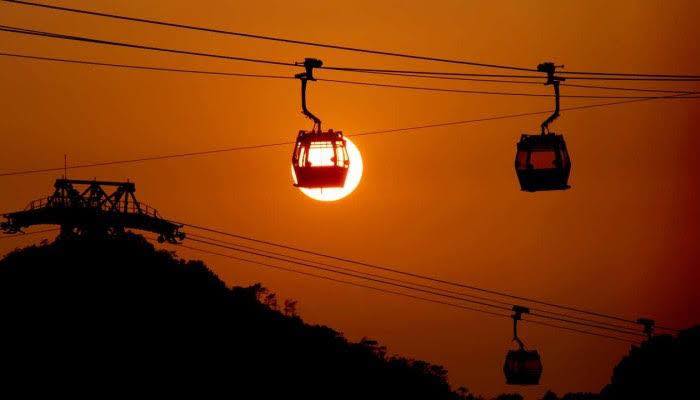
The final rendezvous at the Big Buddha made for beautiful television – but as a practical end point, it was a nightmare choice.
Because half of the girls’ team managed to get themselves lost in Stanley, the other half of the team reached the meeting point just before sunset, but the rest didn’t arrive until well after dark.
You also cannot simply drive up to the Big Buddha by private car unless you have a special permit for the restricted access roads, and those licences are extremely hard to obtain. That leaves the Ngong Ping cable car as the only genuinely fast route – and that stops running around 6:00pm – so from a local point of view it was the worst possible place to finish: high risk of missing the last cable car, and almost guaranteed late arrivals if anything ran behind schedule. For anyone planning a real‑life visit, the remaining options outside cable‑car hours are bus or a pre‑arranged taxi hire, both of which take significantly longer.
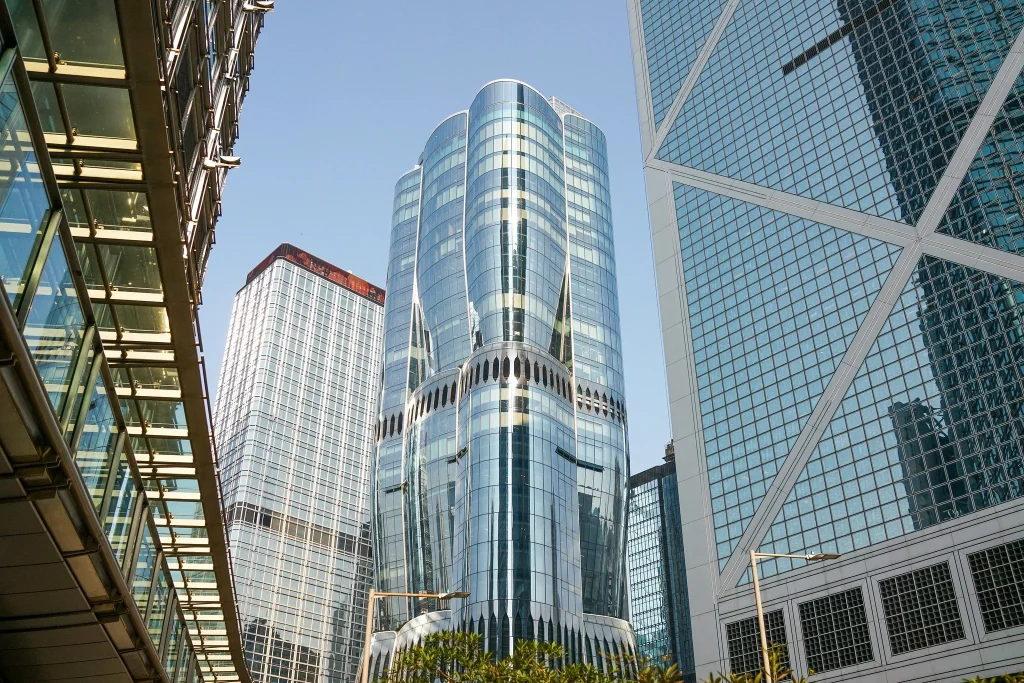
The one unqualified triumph of the finale was the boardroom itself. The showdown took place in Hong Kong’s newest statement skyscraper, The Henderson, which only opened at the end of 2024 and has already become a striking new landmark on the skyline.
In the end, the numbers told their own story. The boys’ team finished with three correct items (erhu, tea cake and dragon boat head), spending HK$3,195, plus HK$38 on an incorrect purchase, for a total of HK$3,223 including transport. They failed to secure five items, picked up one fine, and had half the team arriving late at the final checkpoint, adding HK$4,040 in penalties – bringing their grand total to HK$7,273. The ladies’ team fared even worse on the scoreboard, ending up with just two correct items (mahjong set and dragon boat head) and spending HK$3,200, while missing seven items on the list. With half the team arriving over two hours late and one fine on top, they racked up HK$7,000 in penalties, taking their final total to HK$10,200 – and two of the women ultimately heard the dreaded words and were fired in the boardroom.
Harsh as the outcome was, there is at least one silver lining: every single candidate still got to experience Hong Kong up close – from markets and temples to beaches and skylines. We can only hope that, despite the stress of the task and the pressure of the cameras, they managed to enjoy even a little of what makes this city so unforgettable.