We couldn’t help but tune in for episode one of the brand-new season 20 of The Apprentice, where Lord Sugar sent the two opposing teams off to Hong Kong for the classic shopping task. What an incredible way for the candidates to kick off their journey – thrown straight into one of the world’s most exciting cities, with a list of tricky items and a ticking clock.
Of course, the best part for us was watching the teams try to navigate the city and hunt down their shopping list. We were literally shouting at the TV, desperate to tell them which direction to take, which vendors to ask, and which district would have saved them precious time and dollars. When you know Hong Kong well, you can’t help but think how different their day would have been.
Nine items, one city, eight hours. Could it be done? Absolutely. With the right route they could have ticked off the whole list with time to spare. Here is how we would have done it!
Shrimp paste
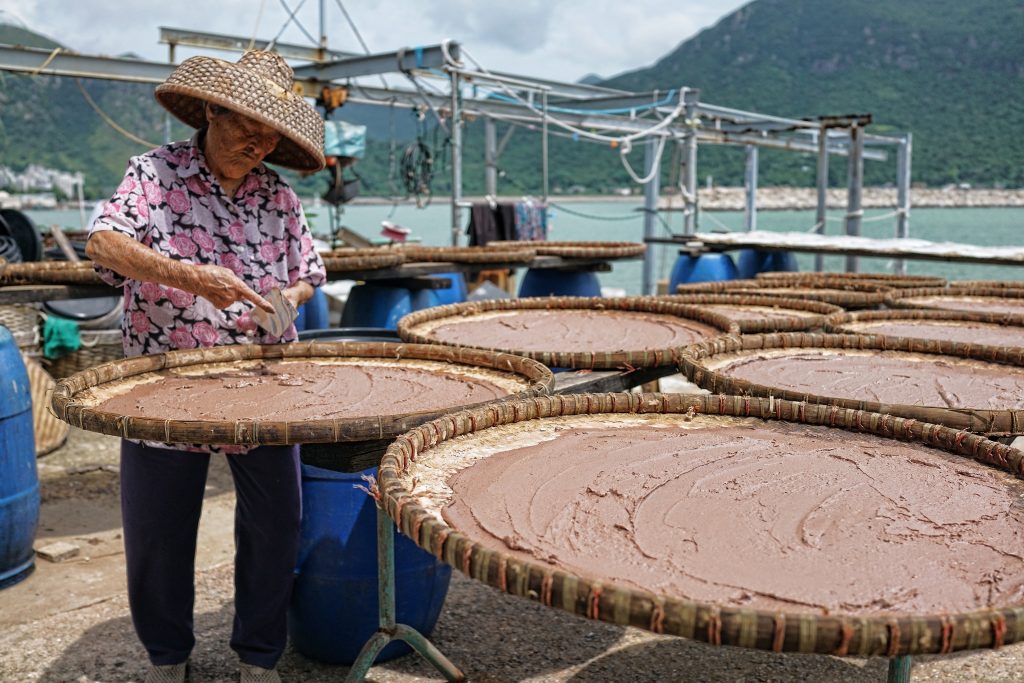
Shrimp paste
This is a paste made from only two ingredients- silver shrimp and salt, traditionally sun‑dried and ground in fishing villages like Tai O. You really don’t need to use much as it has a powerful aroma and deep salty-sea flavour. The locally made jars and dried bricks can be found in most wet markets.
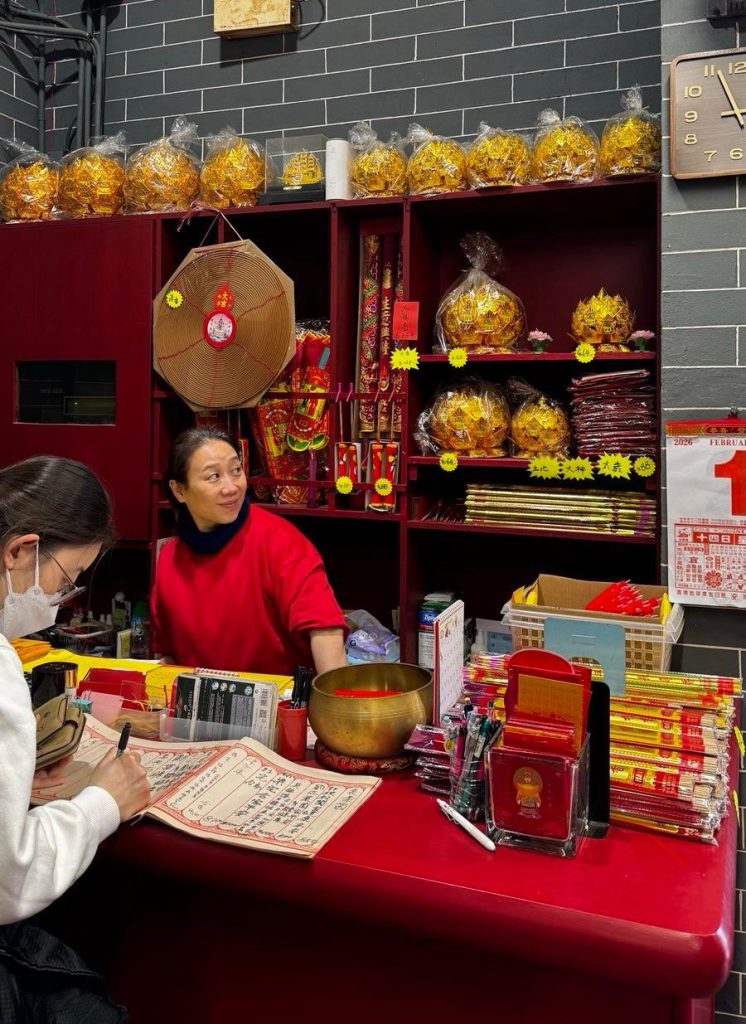
Golden pineapple (paper). On screen, they clarify that the “golden pineapple” is a paper object – a symbolic tower of gold paper used in Chinese temples and festivals as offerings, not a piece note paper (read on!). The pineapple is considered to be an auspicious fruit whose name in several Chinese dialects sounds like “prosperity is coming”. In Hong Kong, these paper pineapples are burned at temples and roadside altars and offered to gods and deities for blessings of wealth, protection and good fortune.
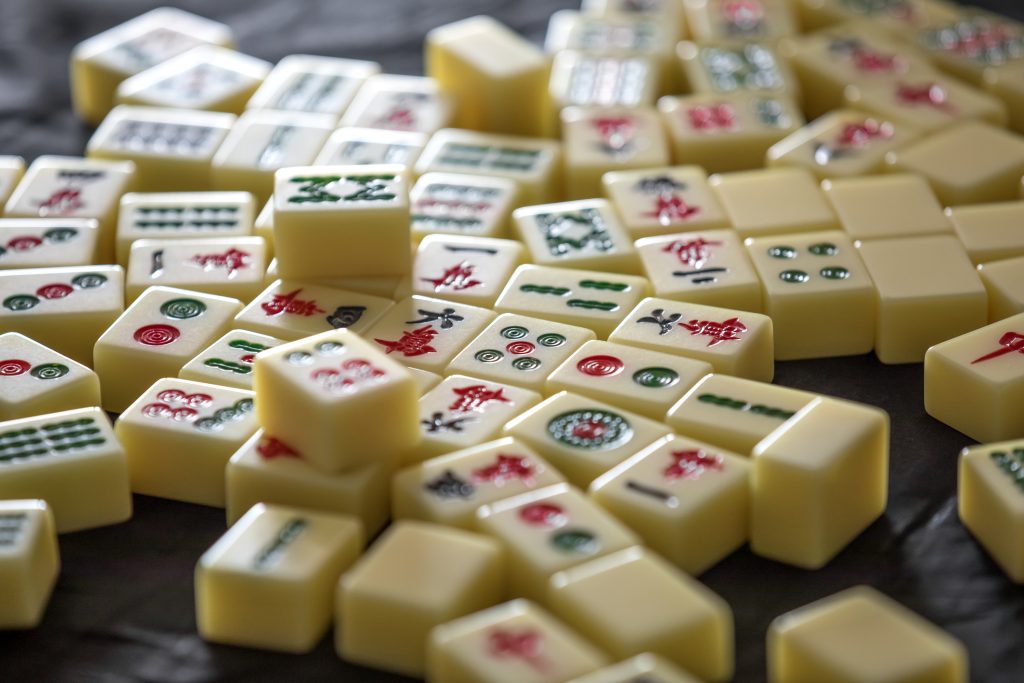
Mahjong set (hand-painted)
The candidates describe mahjong as “tiny little blocks… like dominoes” and are sent to find a “hand painted” set. Culturally, mahjong is one of Hong Kong’s favourite social pastimes: families play during Lunar New Year, at wedding banquets and on typhoon‑signal days, and the clatter of tiles is a familiar soundtrack in homes and teahouses.
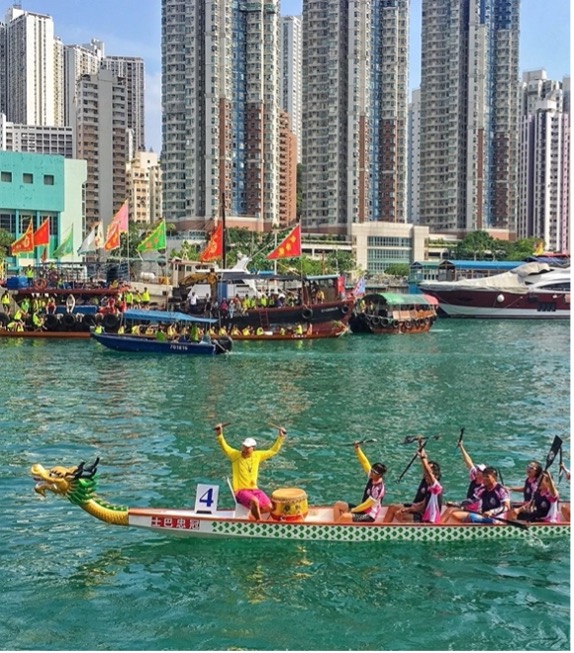
Dragon boat head
The brief called for a dragon boat head of over one metre – not a souvenir, but the proper wooden figurehead fixed to the front of a boat. The dragon boat head is the carved and painted wooden head mounted on the prow of dragon boats, used for the Dragon Boat Festival races held each year across Hong Kong.

Erhu (two‑stringed instrument)
An erhu is a two‑stringed Chinese bowed instrument, sometimes called the “Chinese violin”. It has a small resonating body and a long neck, and produces a haunting, expressive sound that many people instantly associate with traditional Chinese music. In Hong Kong, you’ll often hear the erhu busked on street corners or featured in Chinese orchestras.
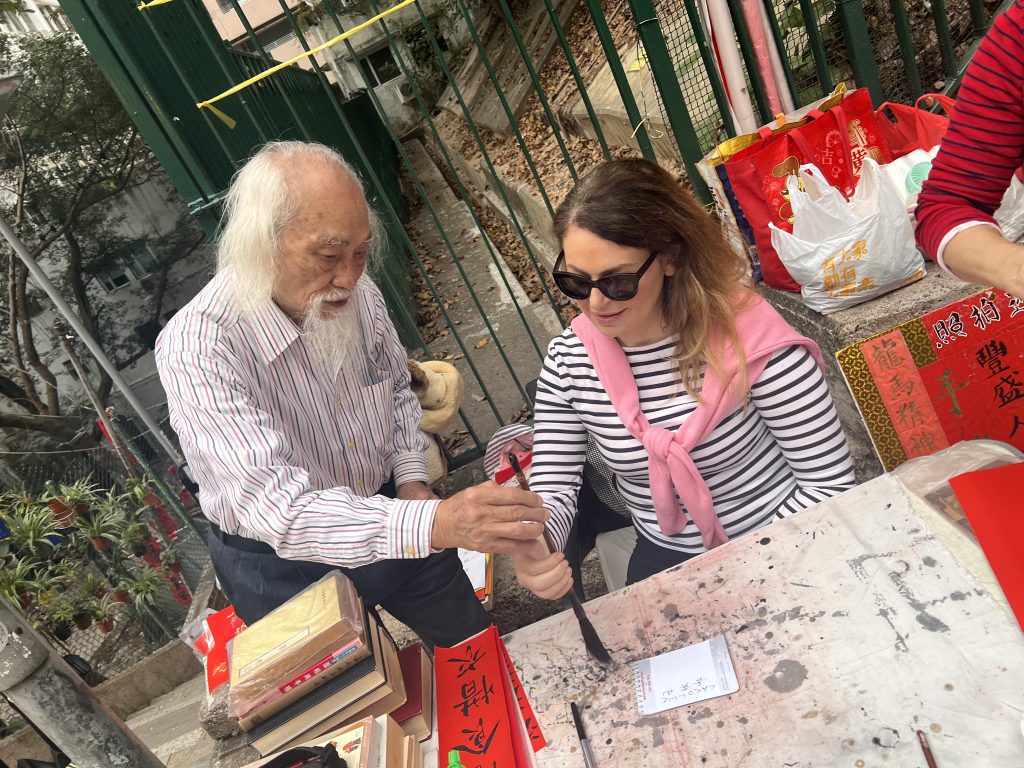
Chinese calligraphy brush (around 20 cm)
In Hong Kong, these brushes connect directly to classical Chinese culture, from schoolchildren practising characters to master calligraphers writing auspicious couplets at the Lunar New Year.
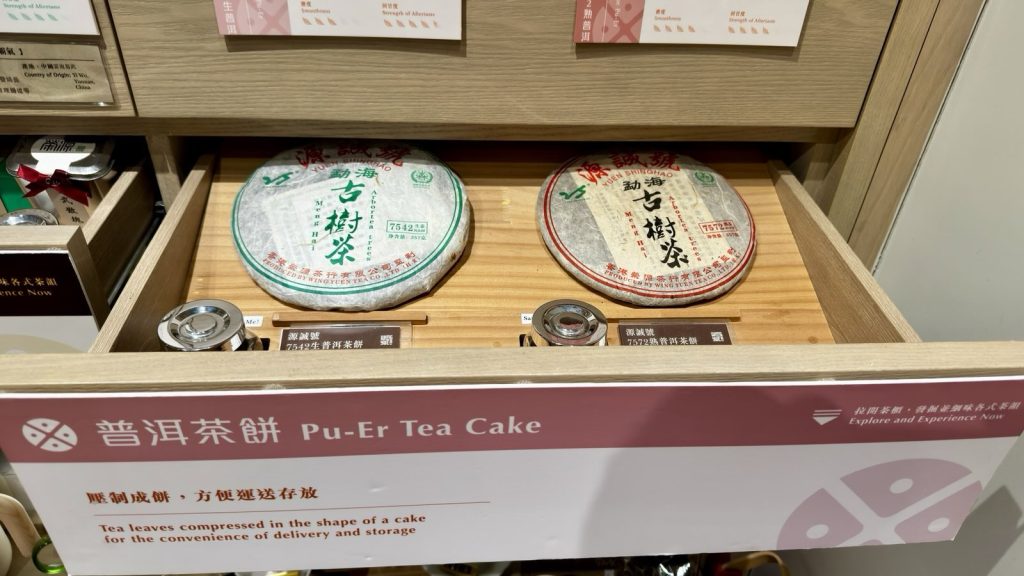
Tea cake (labelled 2005)
The briefing describes a “tea cake, labelled 2005. The “tea cake” on the list refers to a compressed disc of tea leaves, most commonly associated with aged pu’er tea. These cakes are wrapped in paper printed with the tea’s origin and year, which is why a “2005” label matters: like wine, older vintages can be more prized and more expensive. For Hong Kong, where yum cha, tea appreciation and tea trading have long histories, a tea cake isn’t just a drink – it’s a collectible piece of culinary culture that reflects time, terroir and tradition.
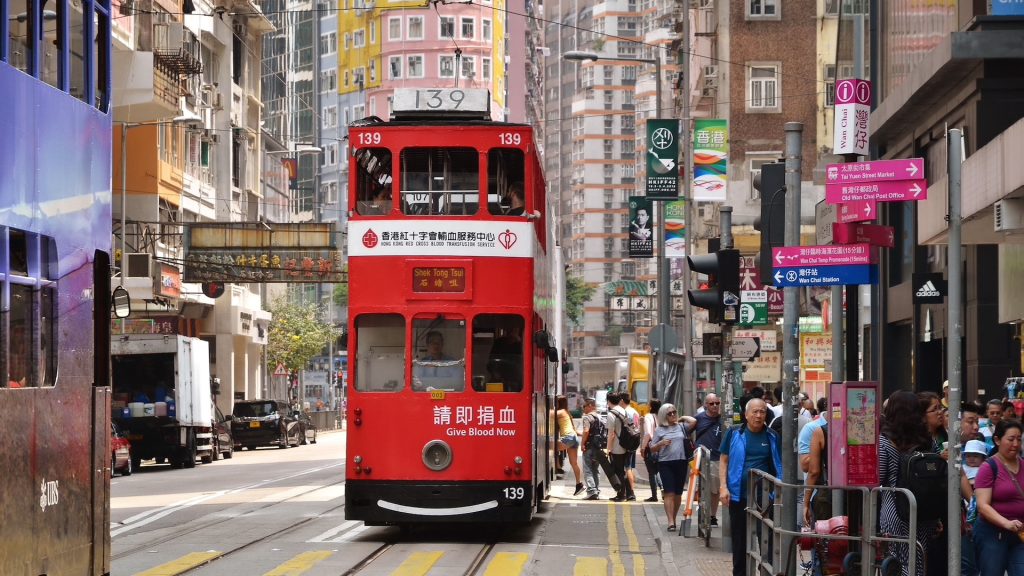
Ding ding illustration
The episode refers to a “ding ding” related item – Hong Kong’s famous double‑decker trams are nicknamed “ding ding” after the sound their bells make. An illustration of a ding ding – whether a poster, print or postcard – captures that instantly recognisable slice of Hong Kong life.
Baby corn – 4 catty, picked today
The teams are told to find “4 catty of baby corn, picked today”, and one lead mentions heading towards more agricultural areas. A catty (斤) is a traditional Chinese weight unit that’s still used every day in wet markets here; in Hong Kong it’s officially just over 600 grams, around 604–605 grams per catty. That means four catty of baby corn is roughly 2.4 kilograms – a serious amount of veg for one shopping list. There are of course farms in the New Territories, but we think there was a definite chance to find in the required amount early on in any of the local wet markets.