One of the best ways to get to know Hong Kong is through its food.
Hong Kong is incredibly compact, which means that even if you’re only here for a few hours on a cruise layover, you can taste a surprising amount of the city. Within a few streets, you can go from dim sum and wonton noodles to milk tea, roast pork and freshly made egg waffles.
Hi, I’m Stephen. I’m half Chinese, half English, and I’ve been guiding visitors around Hong Kong for over 10 years.
If you’re visiting Hong Kong on a cruise, chances are you’ve already had your fair share of the cruise ship buffet. So while you’re here, why not swap it for a proper taste of Hong Kong?
Hong Kong’s food reflects the city itself: a mix of Chinese traditions, British influences and ideas picked up from around the world. Some dishes might look familiar, but there’s usually a distinctly Hong Kong twist.
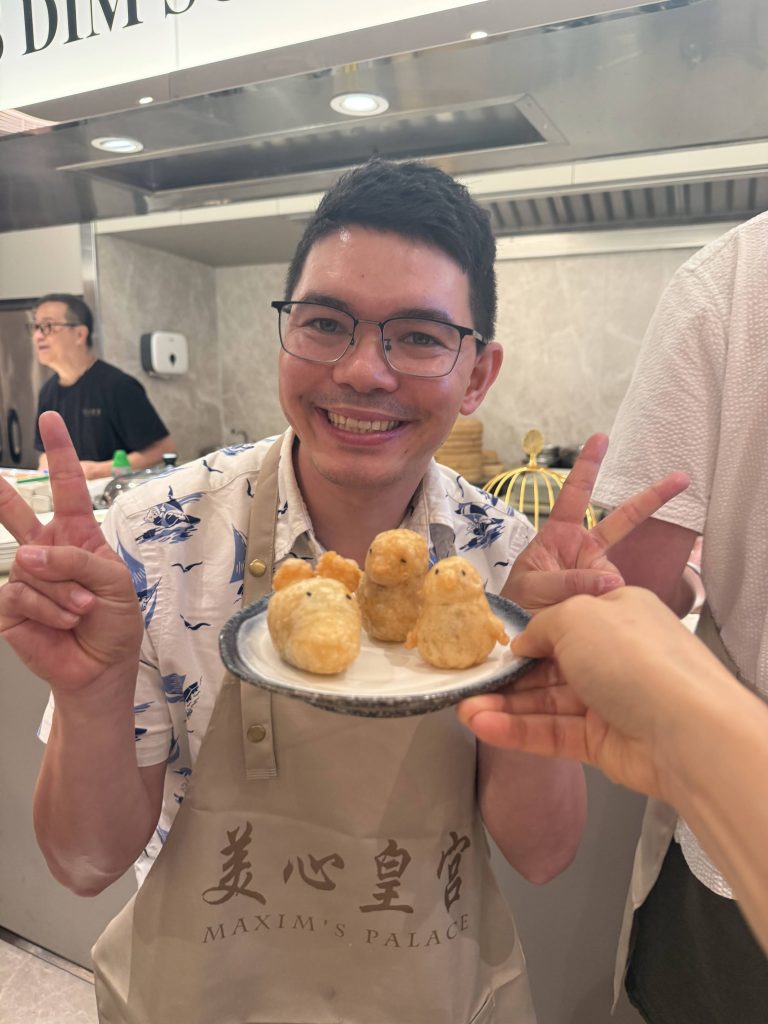
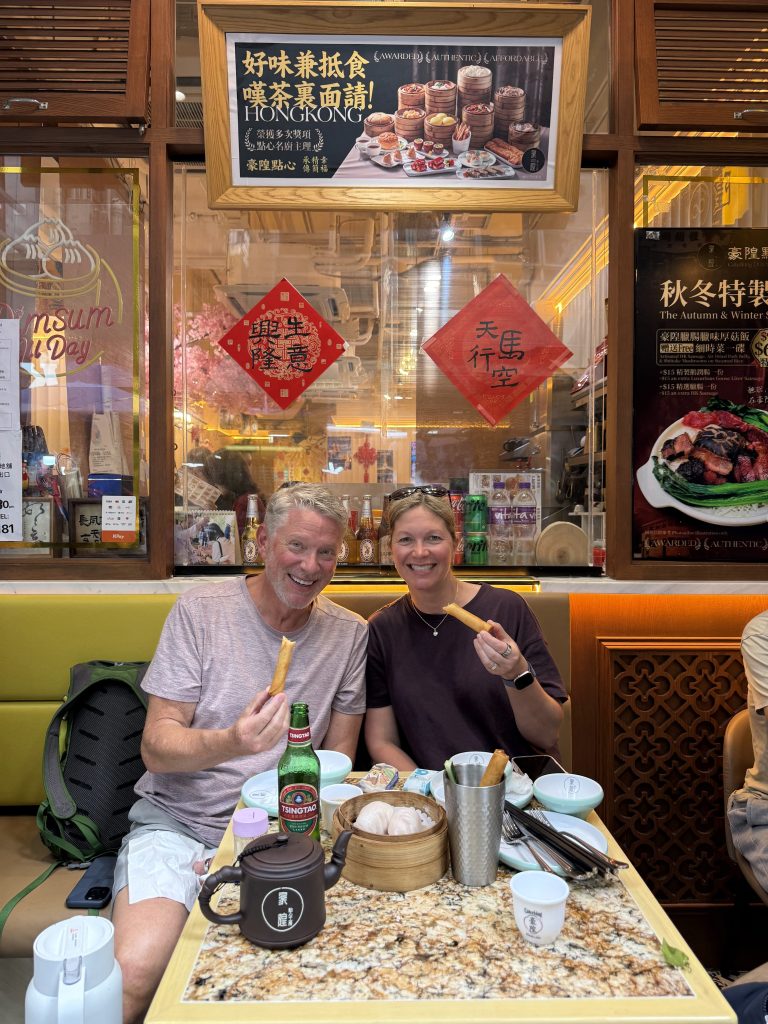
No visit to Hong Kong would be complete without dim sum (點心).
Traditionally enjoyed with Chinese tea, dim sum is made up of small dishes designed for sharing. That’s part of what makes it such a good introduction to Cantonese food — you don’t have to choose just one thing.
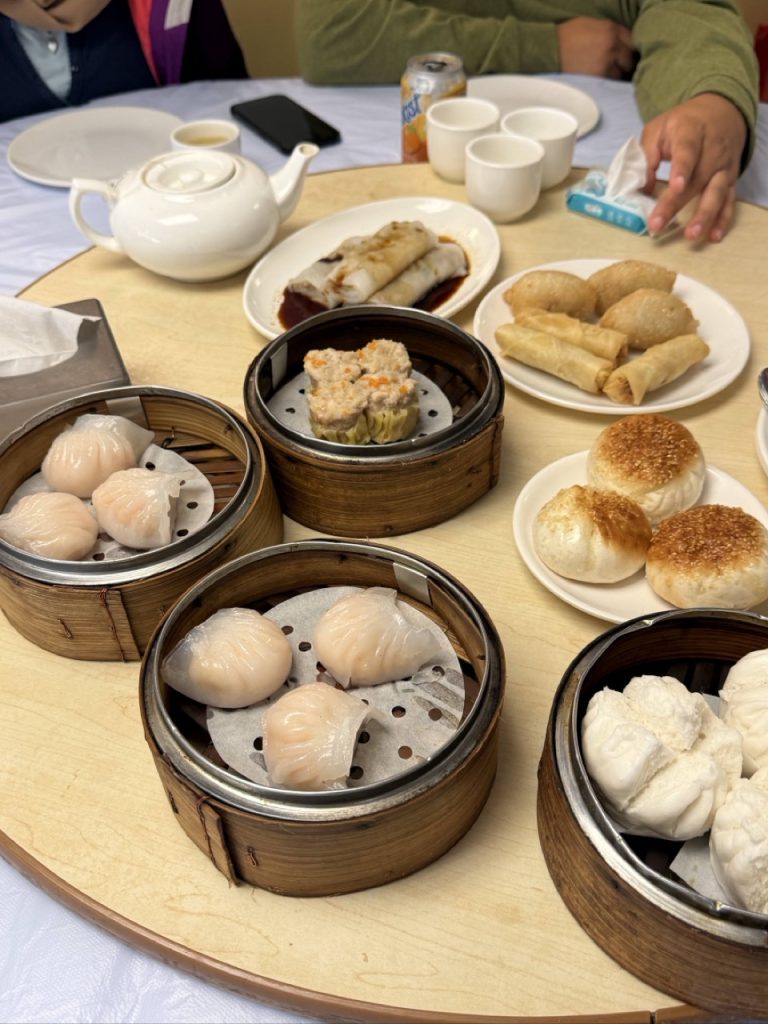
Some of the classics I’d recommend are:
Dim sum is one of my favourite meals because everyone shares what’s on the table. Order a few different dishes and you can try lots of flavours in one sitting.
Next, visit one of Hong Kong’s most distinctive institutions: the cha chaan teng 茶餐廳.
The easiest way to describe one is probably as Hong Kong’s answer to an American diner. They’re casual, affordable neighbourhood cafés serving the sort of food Hongkongers actually eat in everyday life.
Menus can be enormous. You’ll find everything from noodles and fried rice to sandwiches, macaroni soup and scrambled eggs.
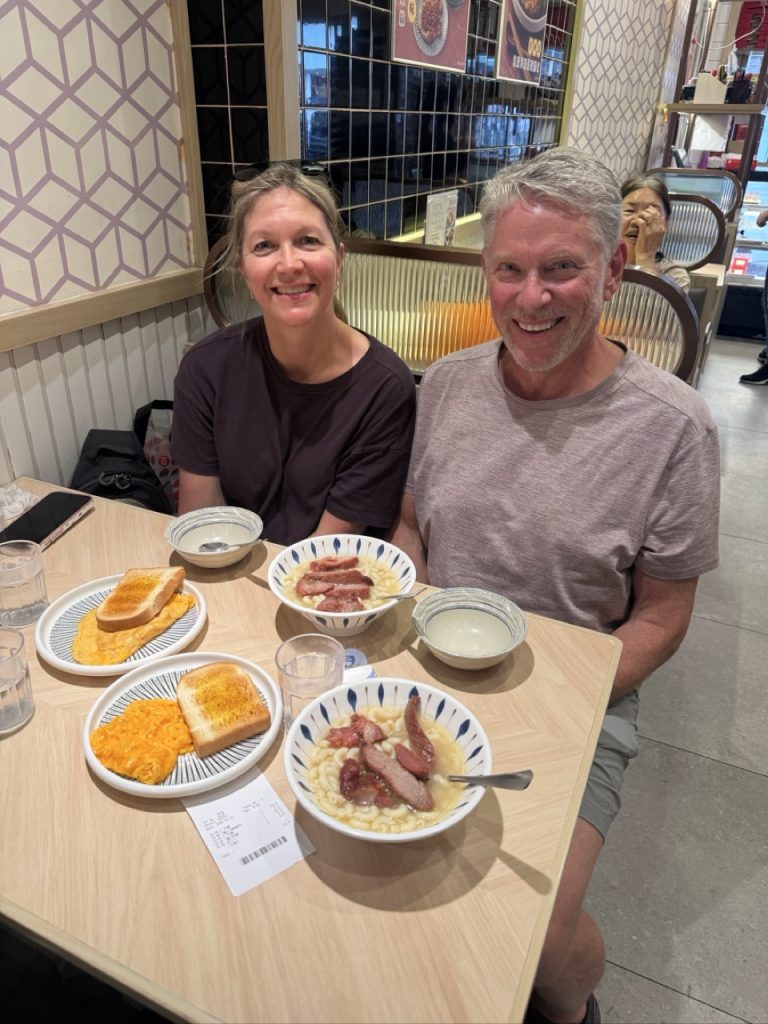
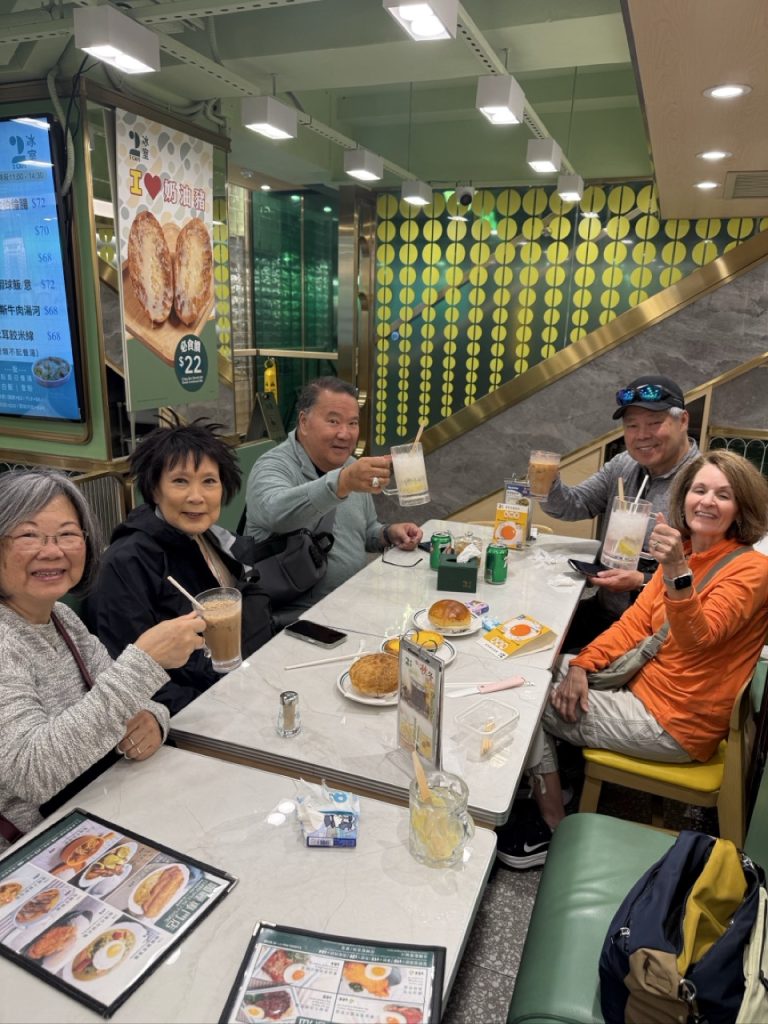
But even if you’re not hungry, stop for a drink.
The classic is Hong Kong-style milk tea 港式奶茶. Strong black tea is repeatedly strained through a long cloth filter — often nicknamed a “silk stocking” — before being mixed with evaporated milk.
The result is strong, creamy and smooth.
Can’t decide between coffee and tea? Order a Yuen Yeung 鴛鴦, which combines coffee and milk tea.
And on a hot Hong Kong afternoon, it’s hard to go wrong with an iced lemon tea 凍檸茶.
While you’re at the cha chaan teng, leave room for something sweet.
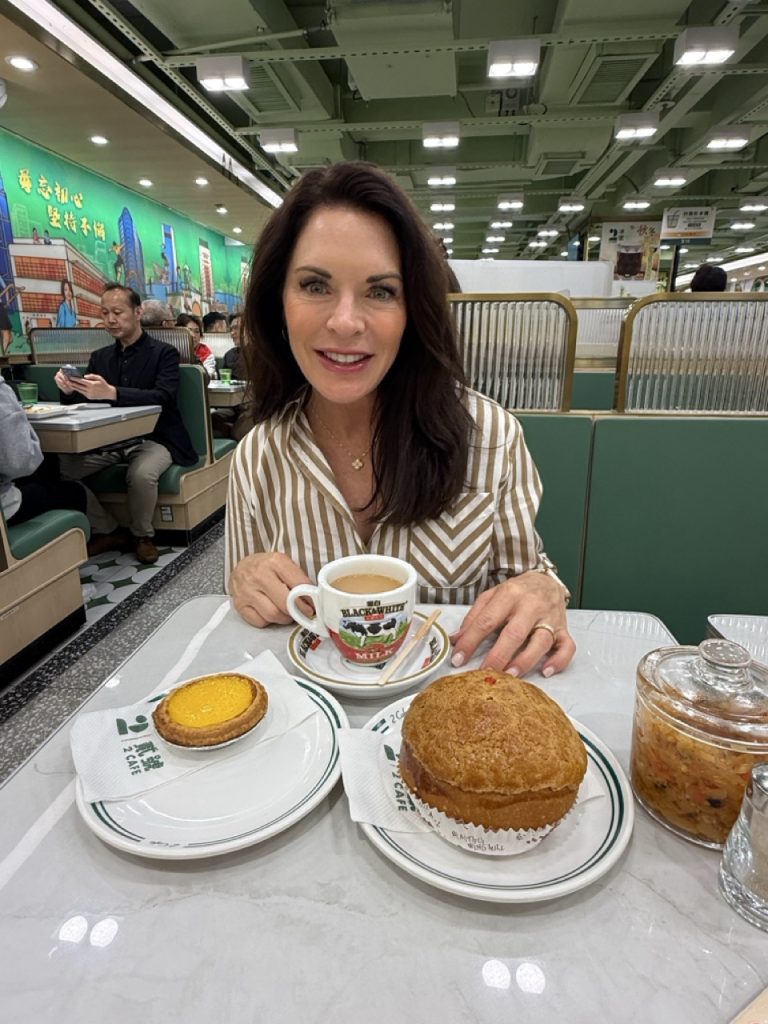
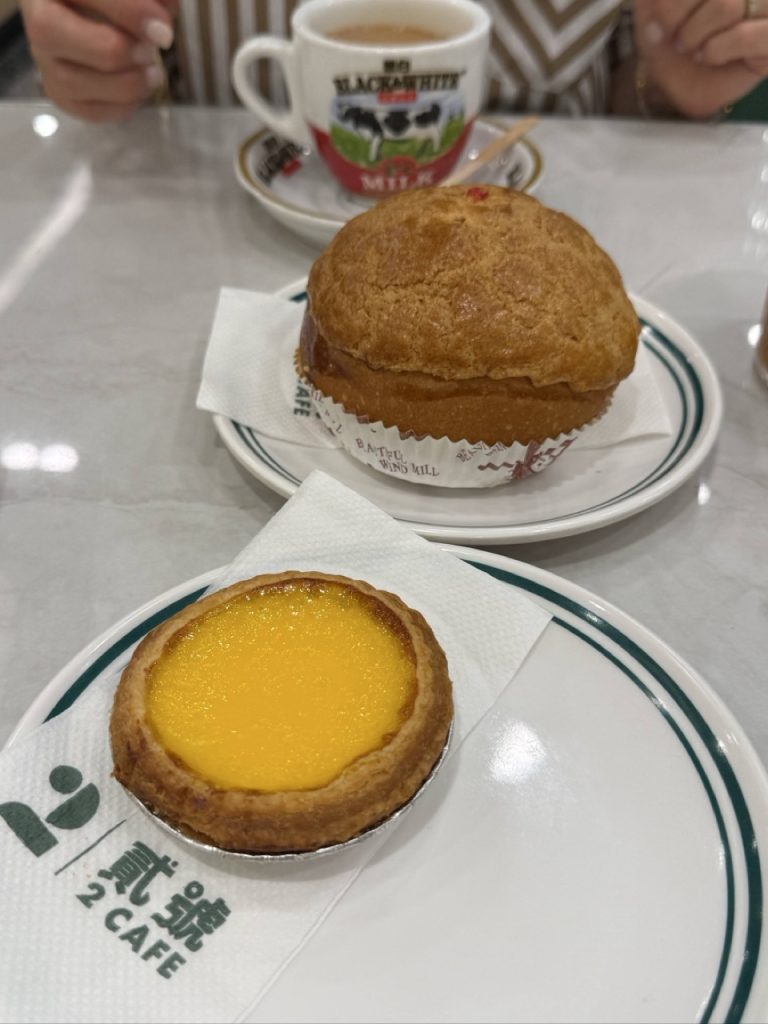
The Hong Kong egg tart 蛋撻 is probably the most famous. At first glance, it might remind you of a Portuguese pastel de nata, but the Hong Kong version is quite different. The custard is smoother and lighter, without the caramelised top of a Portuguese tart.
Another local favourite is the pineapple bun 菠蘿包. Despite the name, there’s usually no pineapple in it.
The name comes from the bun’s sweet, crispy golden topping, which cracks as it bakes and looks a little like the skin of a pineapple.
Fresh from the oven, it’s a simple but very Hong Kong snack to have alongside a milk tea.
Next, head to one of Hong Kong’s small neighbourhood noodle restaurants for a bowl of wonton noodles 雲吞麵.
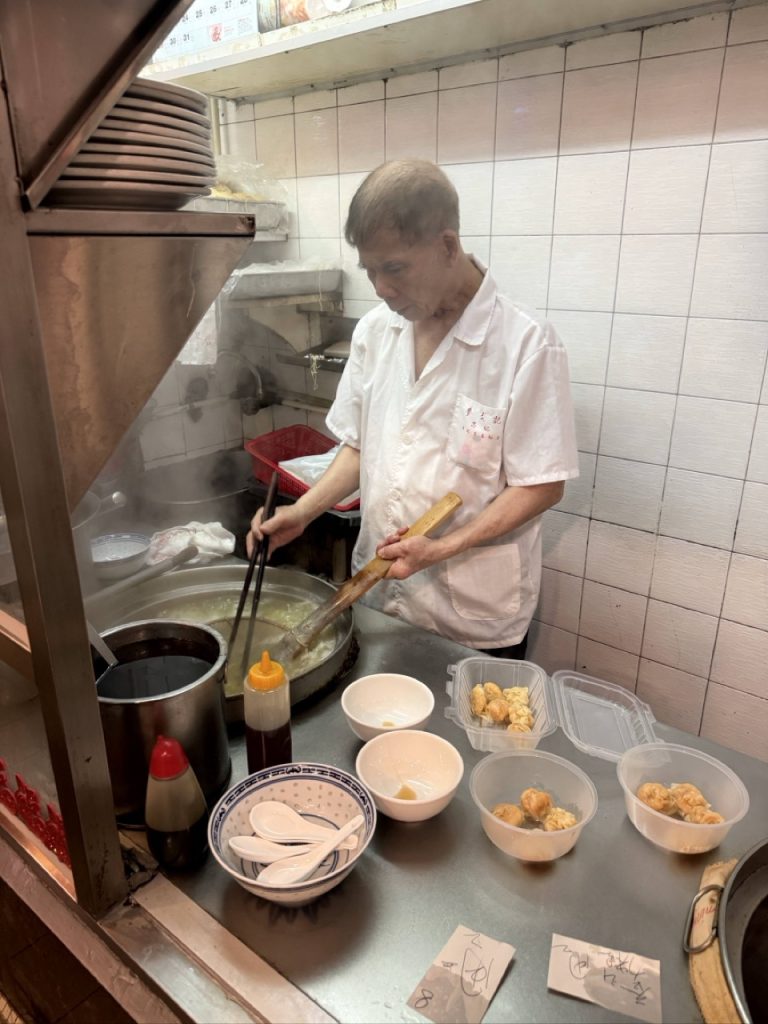
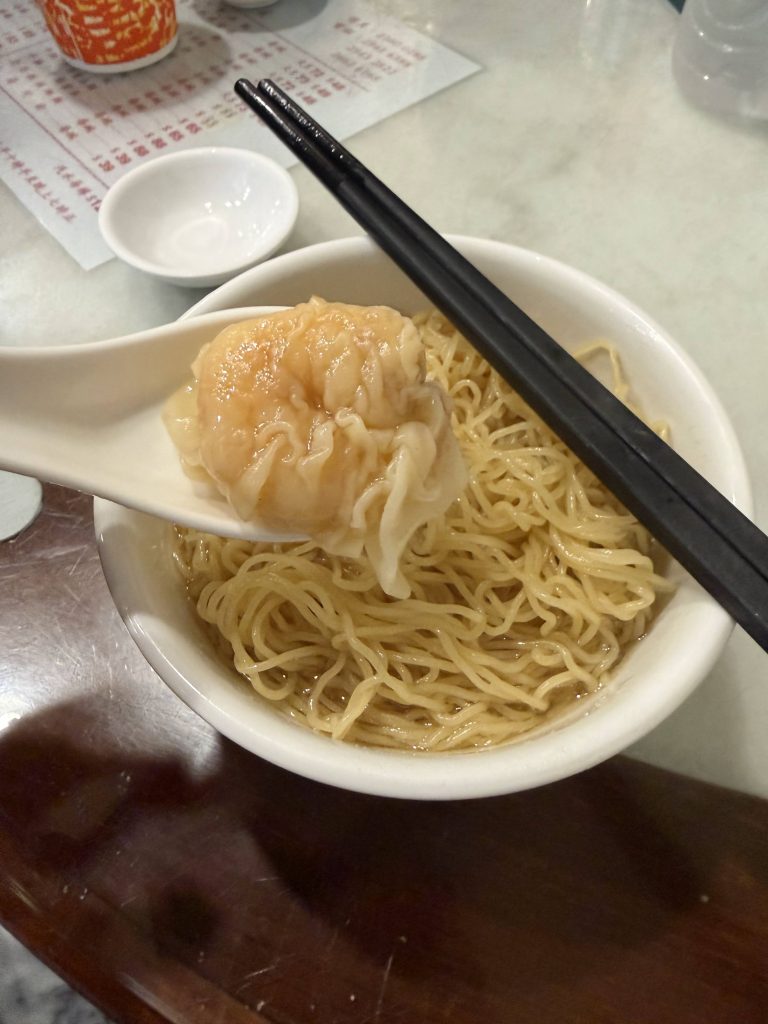
These little noodle shops are a very different experience from a cha chaan teng. Some specialise in just a handful of dishes and have been making them the same way for generations.
A traditional bowl of wonton noodles is beautifully simple: thin, springy egg noodles, shrimp wontons and a clear, flavourful broth.
Many shops still wrap their wontons fresh by hand, sometimes right in front of you.
It’s a simple dish, but when the noodles have the right bite, the wontons are freshly made and the broth is good, you don’t need much else.
Walk around almost any local neighbourhood and sooner or later you’ll pass a siu mei 燒味 shop.
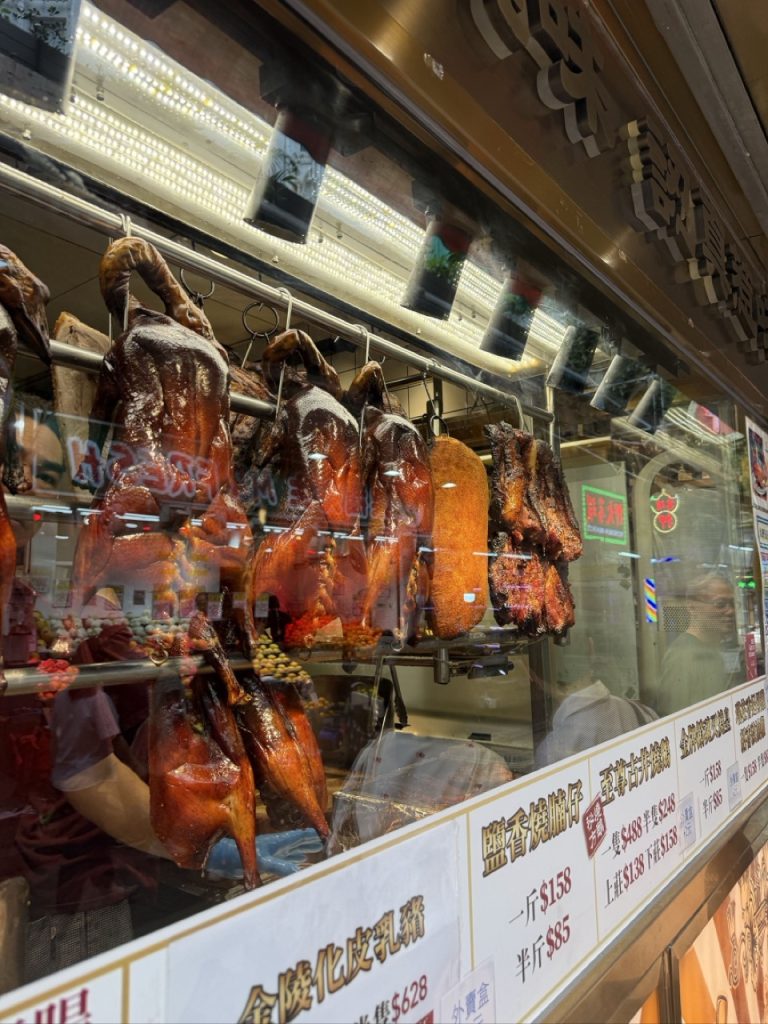
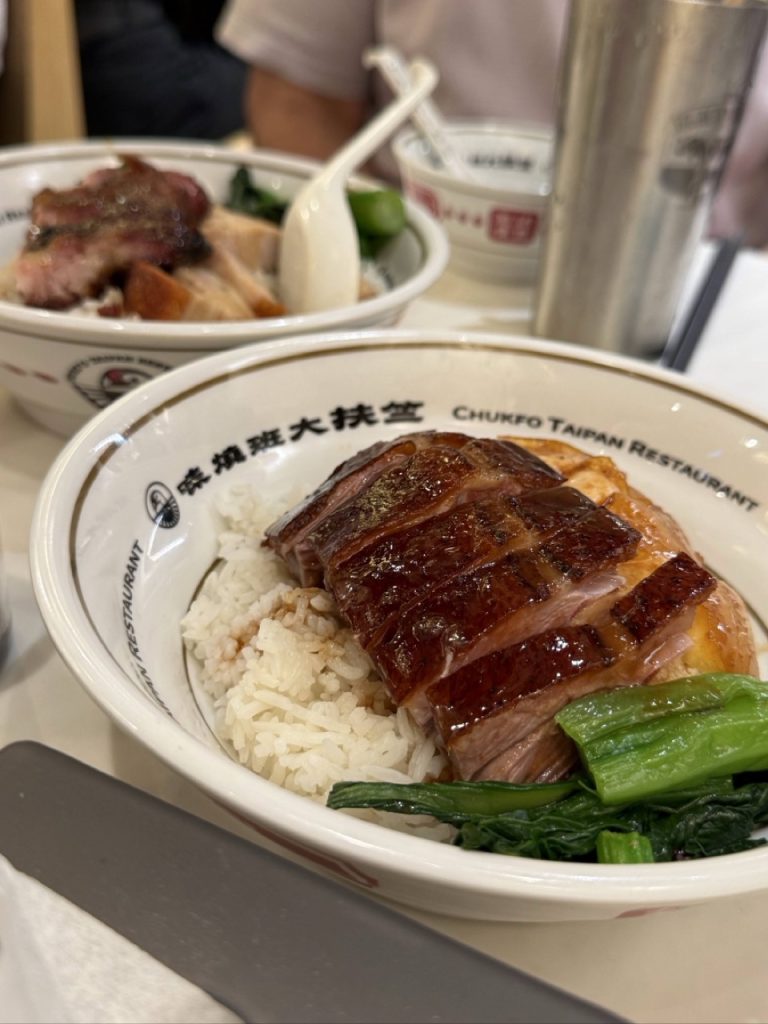
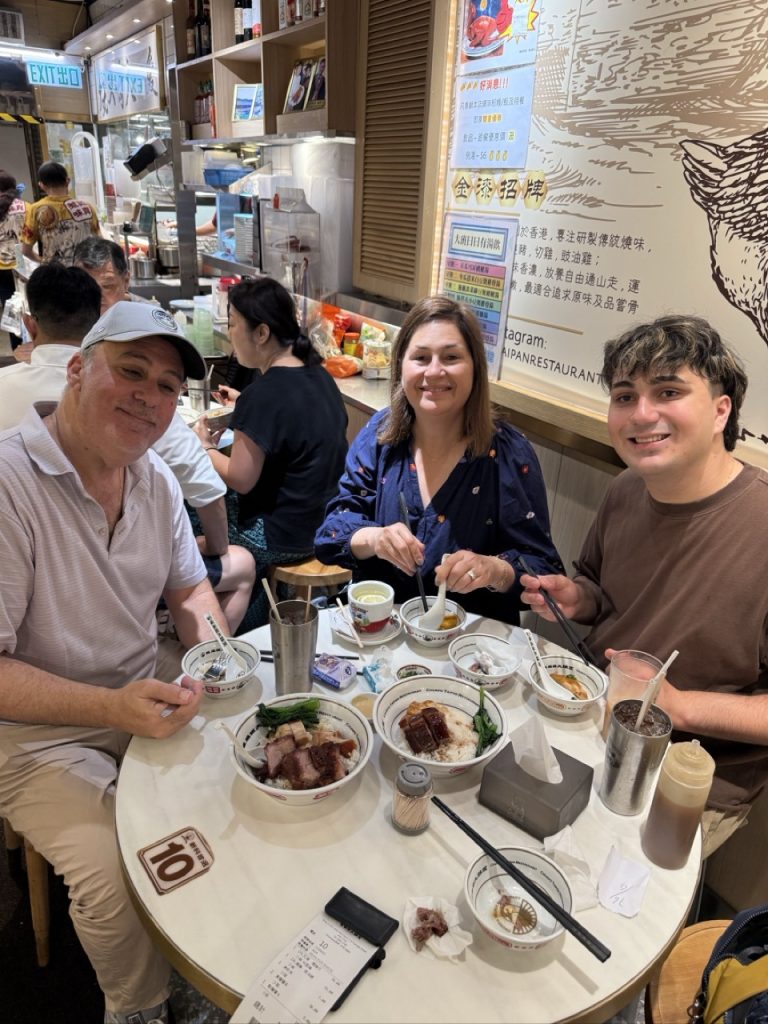
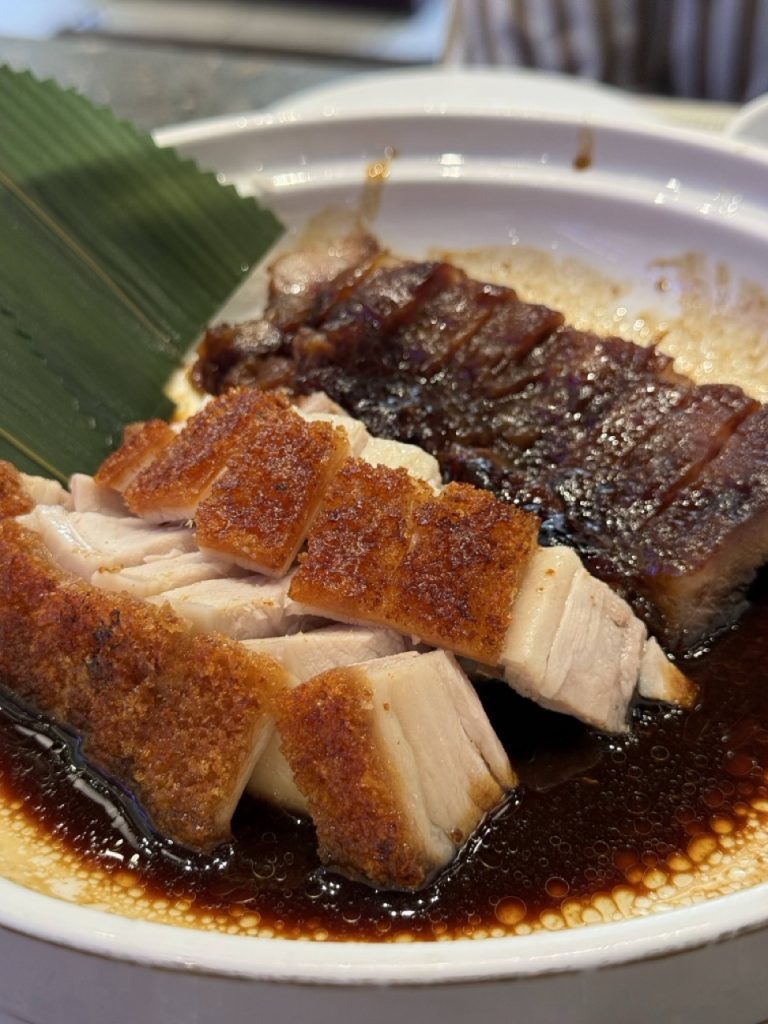
They’re easy to spot. Look through the window and you’ll often see long strips of Char Siu 叉燒 alongside slabs of Siu Yuk 燒肉, with their golden, crispy skin.
Char Siu is Cantonese barbecued pork, usually made from cuts with enough fat to keep the meat tender, then roasted with a sweet and savoury glaze.
When ordering, I normally recommend asking for half lean, half fat 半肥瘦. The fattier pieces are much juicier and have plenty of flavour.
My personal favourite, though, is Siu Yuk 燒肉 — crispy roasted pork belly.
When it’s done well, the skin should be light and crispy, while the pork underneath stays tender and juicy.
Hong Kong also has a great dessert café culture.
Instead of concentrating mainly on cakes and ice cream, traditional Hong Kong dessert shops — tong sui shops 糖水舖 — serve everything from tofu pudding and sesame soup to mango desserts and sweet soups. Some are served hot and others cold.
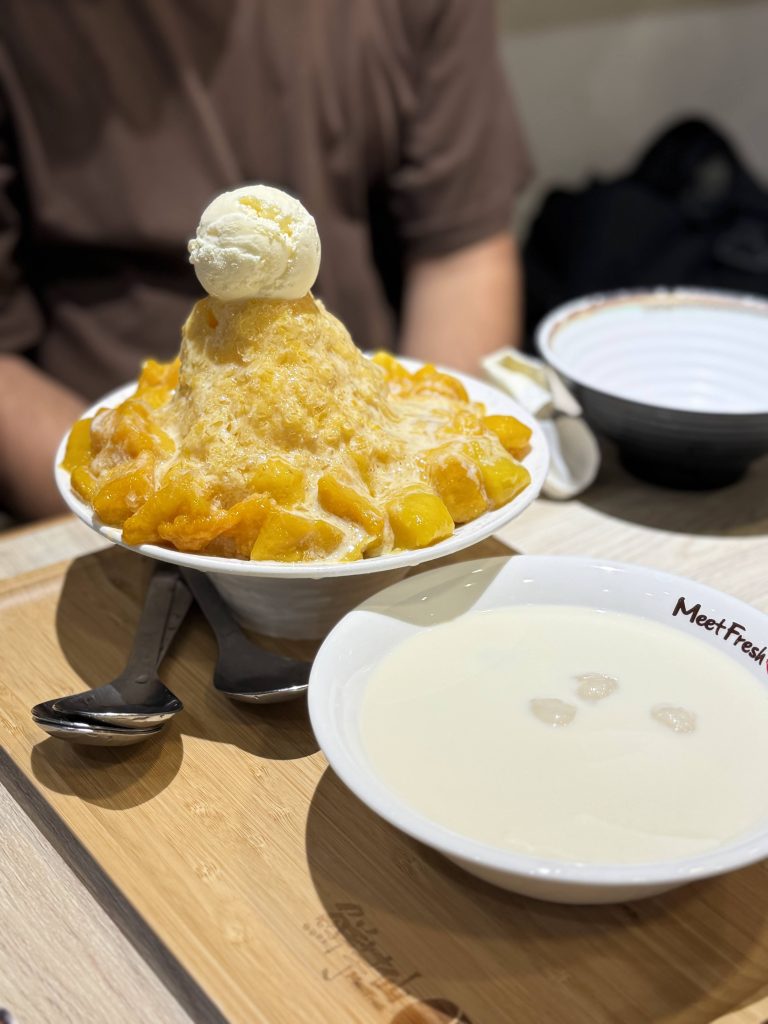
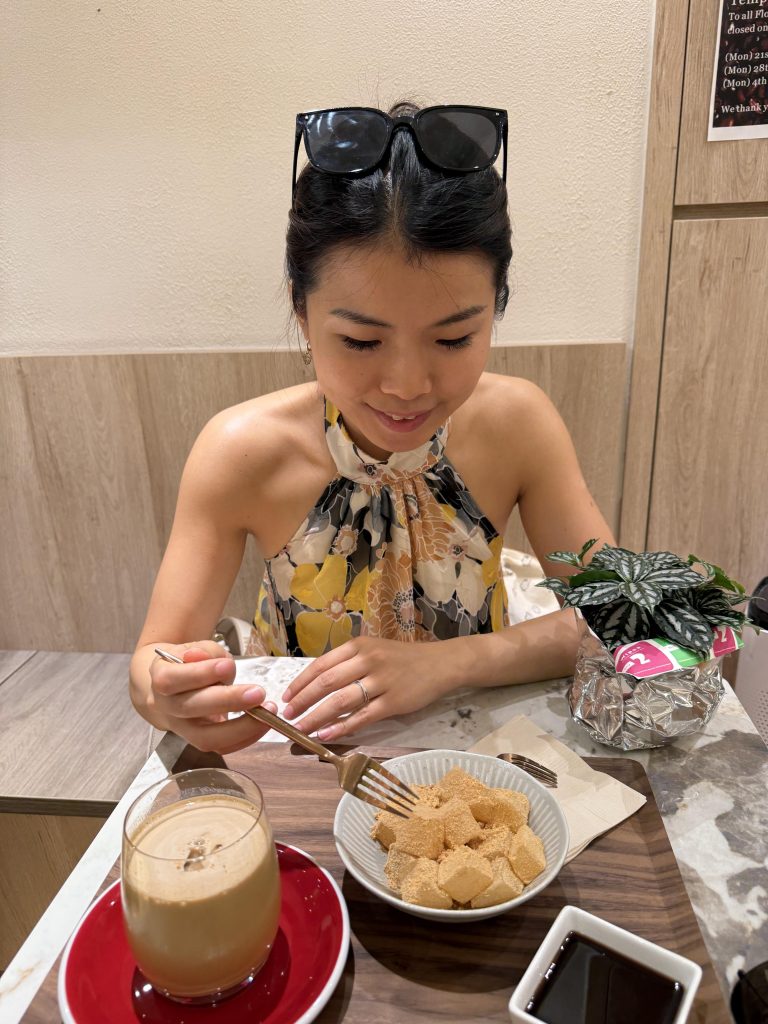
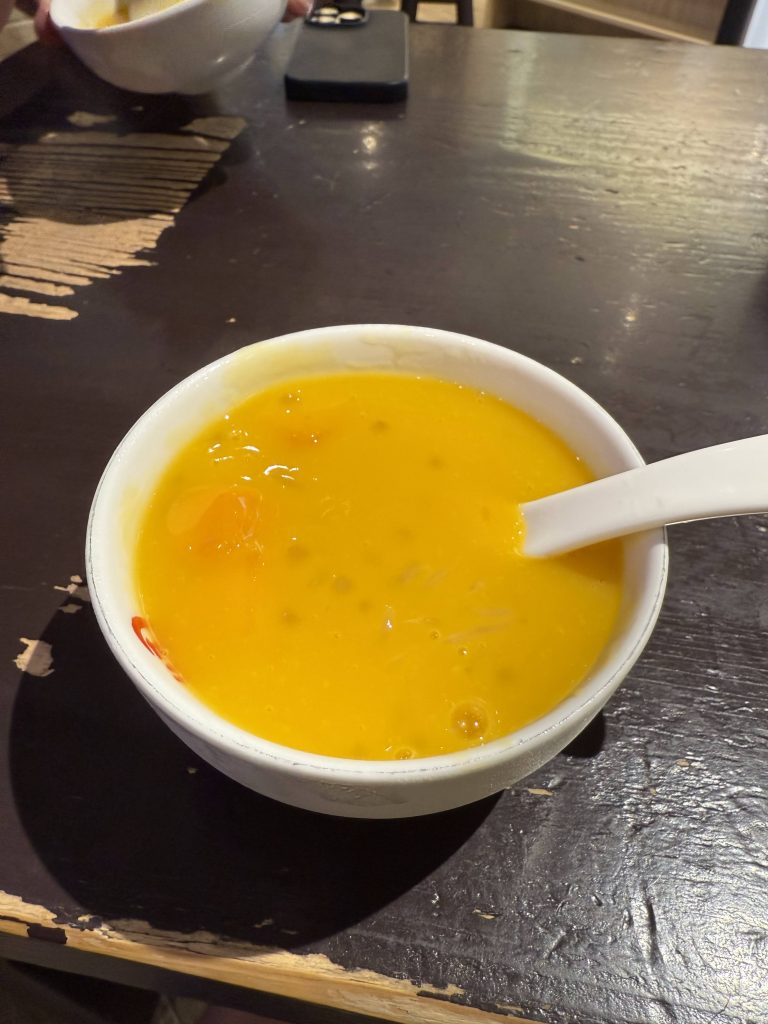
My favourite, and my mum’s as well, is Mango Sago 芒果西米露.
It’s usually made with fresh mango, small chewy sago pearls and coconut milk or evaporated milk, often with pieces of fresh mango on top. Some versions also include pomelo.
It’s especially good after you’ve spent a few hours walking around Hong Kong in the summer.
If you only have a few hours in Hong Kong, my biggest piece of advice is simple: don’t fill yourself up at the first restaurant.
Hong Kong is a great city for trying a little bit of everything.
Have a few pieces of dim sum. Share a bowl of wonton noodles. Try a small plate of roast pork. Stop for milk tea. Pick up an egg waffle along the way.
Because everything is so close together, you can try several completely different types of Hong Kong food without spending half the day travelling between restaurants.
You’ll also see much more of the city this way. You might walk through a local market, squeeze into a tiny noodle shop, watch char siu being chopped behind the counter and sit alongside locals having their afternoon milk tea.
It’s a much better introduction to everyday Hong Kong than simply sitting down for one big meal.
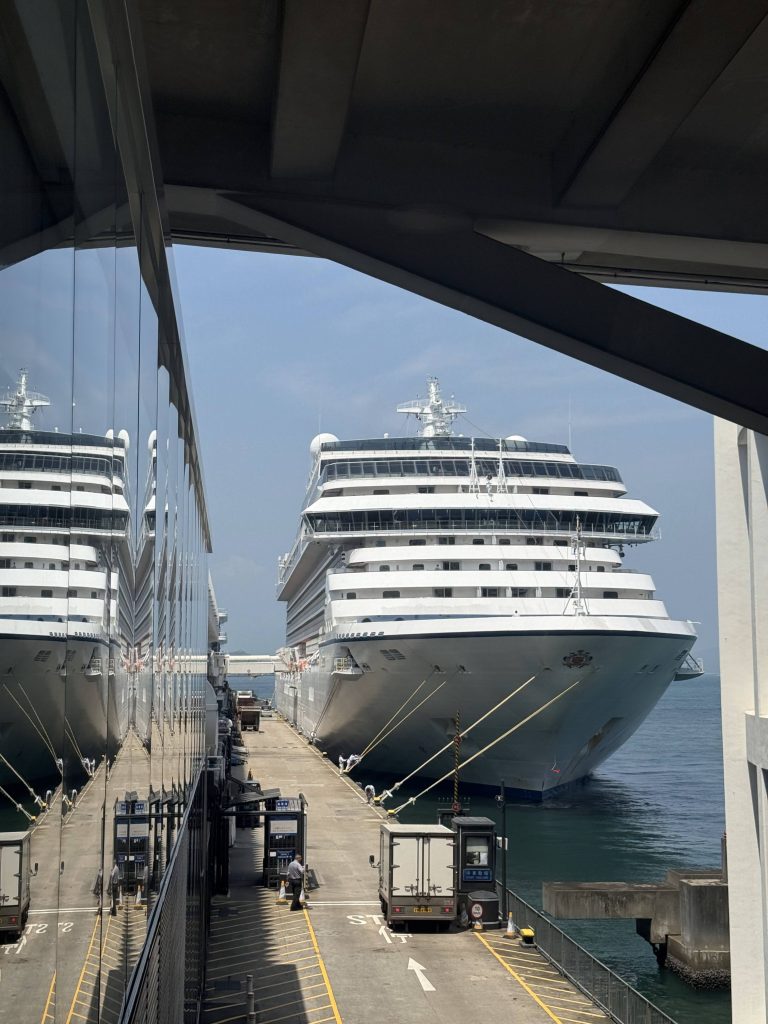
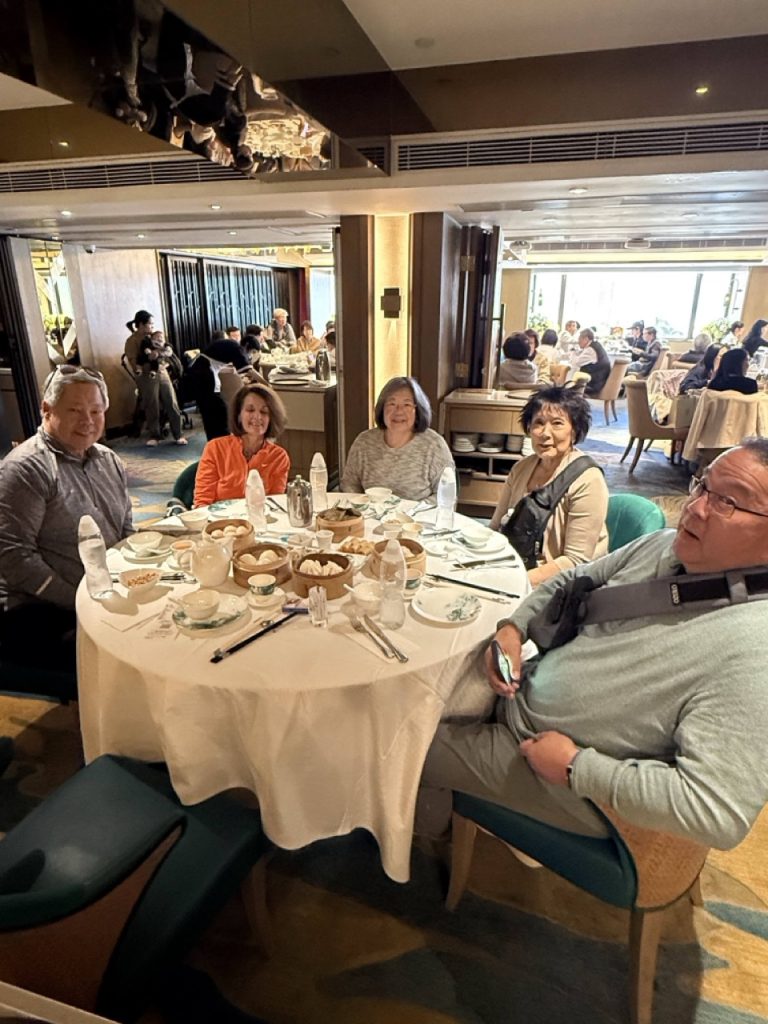
If you’re visiting Hong Kong on a cruise layover, a food tour is an easy way to experience several sides of the city without needing a full day.
At Hong Kong Greeters, our Hong Kong Food Tour introduces visitors to local dishes as well as the neighbourhoods and stories behind them. and there’s a Vegetarian version of the tour too
We fit in many of the foods I’ve mentioned above — plus a few extras — and take you to the sort of local places that can be difficult to find when you’re visiting Hong Kong for the first time.
If your ship is only in Hong Kong for the day, we can also help you make the most of the rest of your time in the city.
This article is part of our series on making the most of a Hong Kong cruise layover.
Whether you want to see Hong Kong’s classic sights, explore local neighbourhoods, head out to Lantau Island, go hiking, shop, or simply eat your way around the city, we’ll be sharing more of our local recommendations.