The spirit of the Horse and Lunar New Year
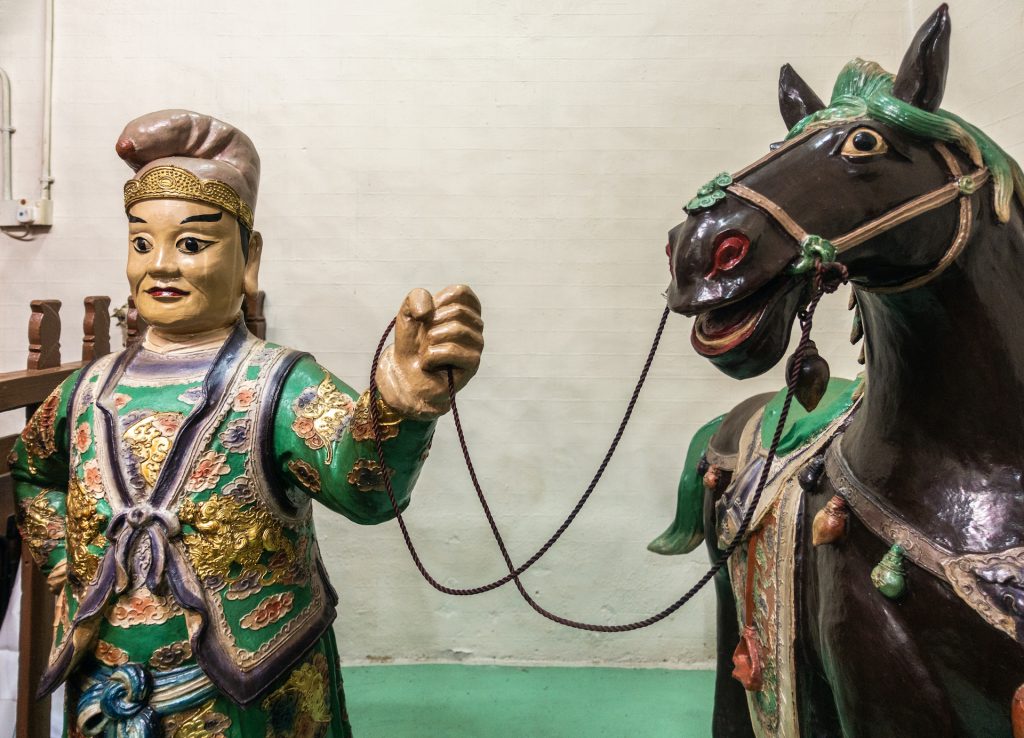
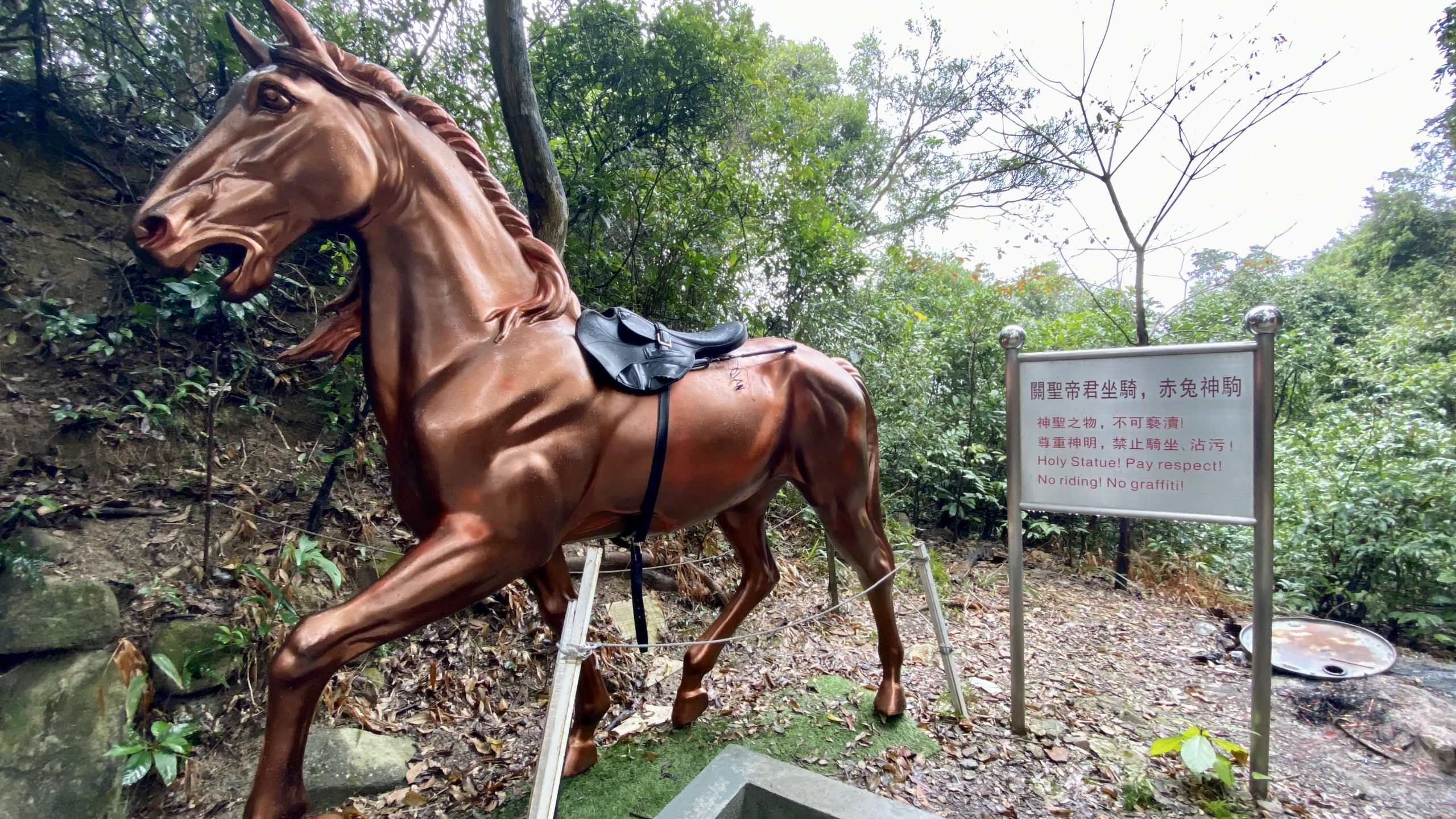
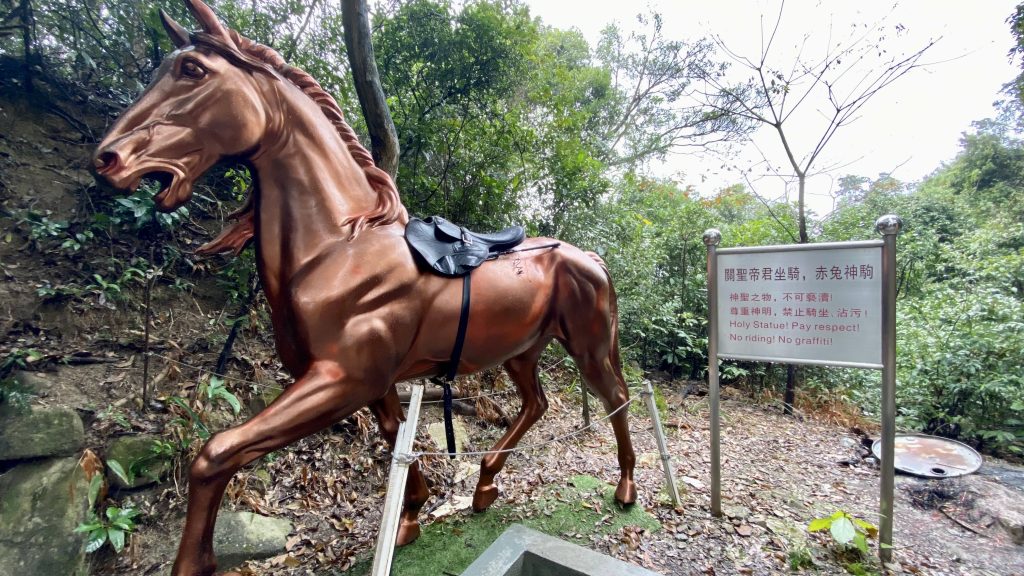
The Horse in the Chinese zodiac symbolises speed, vitality and freedom, and years ruled by this sign are seen as full of possibility and momentum. People born in Horse years are often described as sociable, adventurous and independent – the friends who rally everyone together, book the trip and somehow squeeze three experiences into one afternoon. That same spirited energy runs right through Hong Kong during Lunar New Year, when the city comes alive with colour, incense, flowers and food.
A festival born from legend and the farming calendar
Chinese New Year, or Spring Festival, goes back thousands of years to agricultural communities marking the end of winter and the start of a new growing season. Over time, these practical rhythms became wrapped in legend – most famously the story of “Nian”, a mythical beast frightened away by loud noises, bright red decorations and firecrackers.
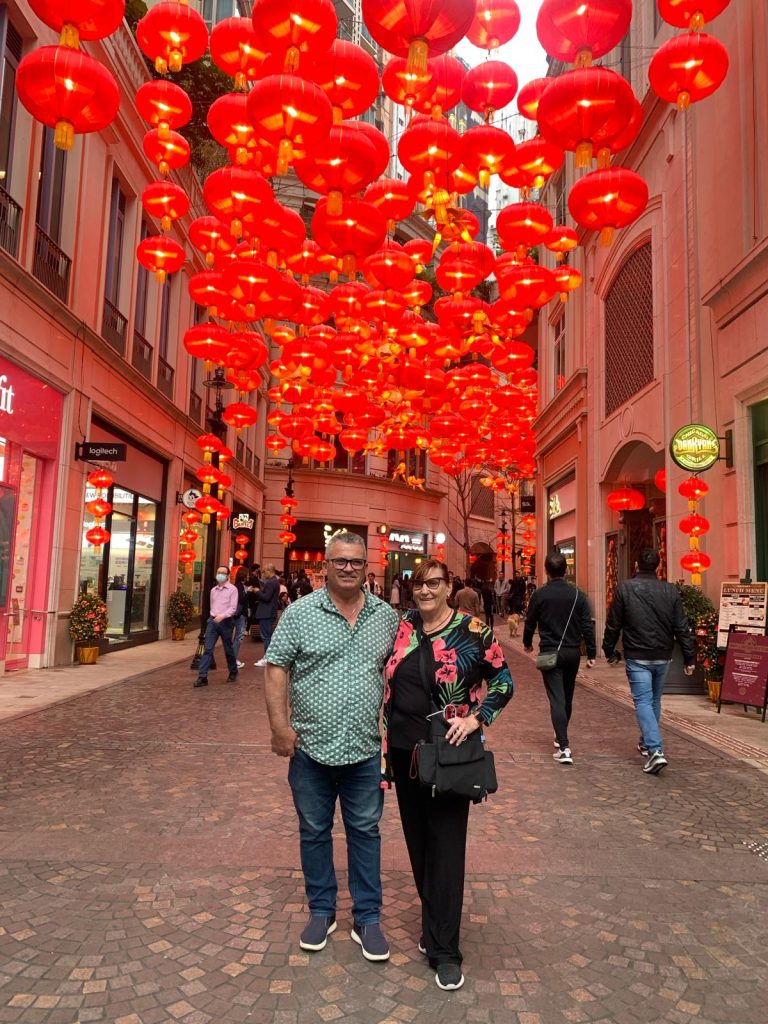
Those same elements live on in Hong Kong today in the form of red lanterns, spring couplets on doorways, incense, drums and lion dances in the streets – all meant to sweep out bad luck and invite in a fresh start.
In a Horse year, that sense of renewal feels even stronger, because the Horse is associated with movement, freedom and charging confidently into the future.
Is Chinese New Year a good time to visit Hong Kong?
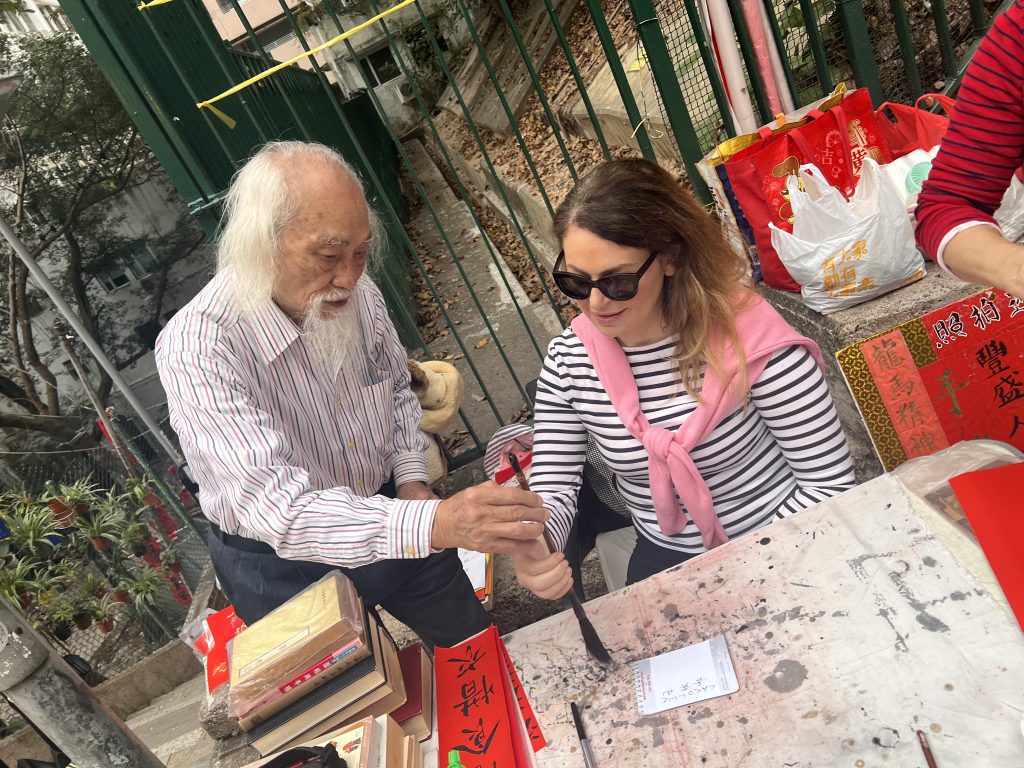
In a word, no. Among all the festivals on the Hong Kong calendar, Chinese New Year is the one that truly stops the city. Families meet up for reunion dinners, businesses close, and the usual bustle of the city gives way to family time at home, temple trips and lots and lots of meals.
Whilst there are things to do like the Lunar New Year Parade on the first day of the holiday, and the 23-minute firework display on the harbour on the second day… other than this visitors who don’t have family connections may be disappointed. Our recommendation is to visit the week BEFORE Chinese New Year to experience the excitement ahead of the actual dates such as the flower markets, street calligraphers letting you make your own meaningful banners (fai chun), and markets full of red and gold decorations.
Soak up the pre‑New Year buzz in old Hong Kong streets
In the weeks leading up to Lunar New Year, traditional neighbourhoods transform into living shopping lists of festive essentials. Wander through markets piled high with tangerines, melon seeds and towering boxes of cookies, and you’ll see why locals spend so much time preparing – it’s as much about the atmosphere as the snacks.
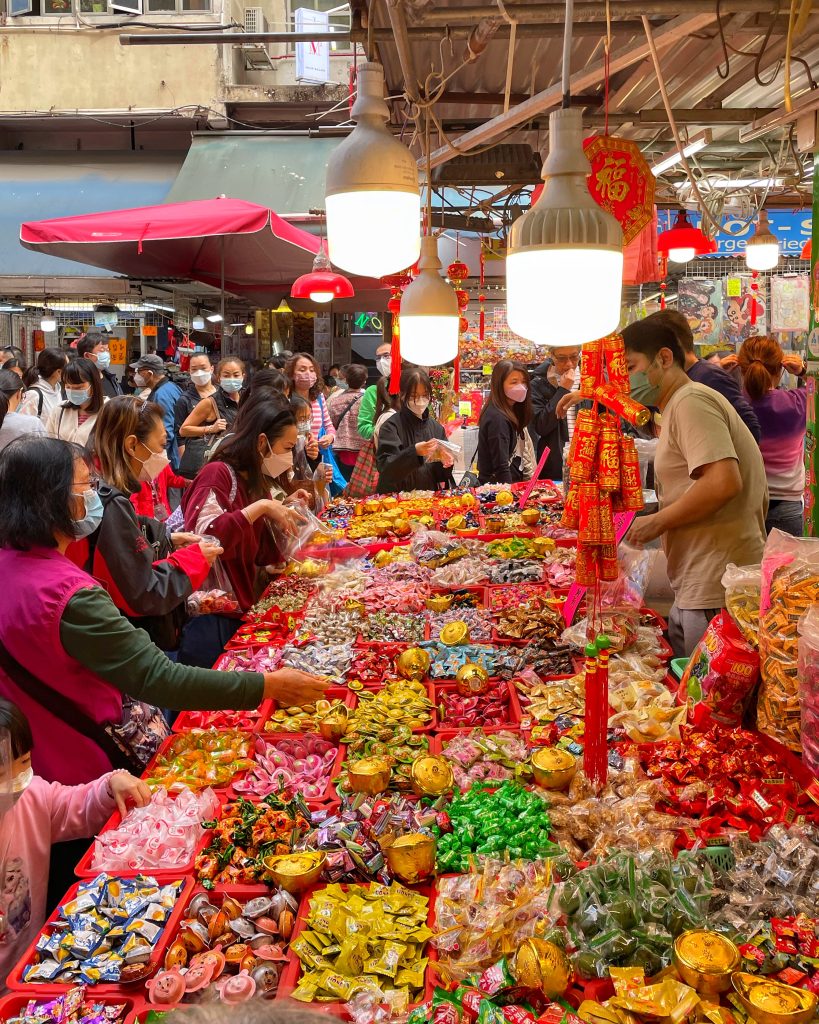
This is the perfect time to join our Lunar New Year Shopping Tour in Causeway Bay and let our excellent partner @explore_hongkong tell you what all the foods, flowers and lucky decorations really mean. You’ll learn why kumquats symbolise “gold”, how to choose the right couplets for your door, and which treats every Hong Kong family stocks up on before the big day.
Visit temples for Horse‑worthy good luck
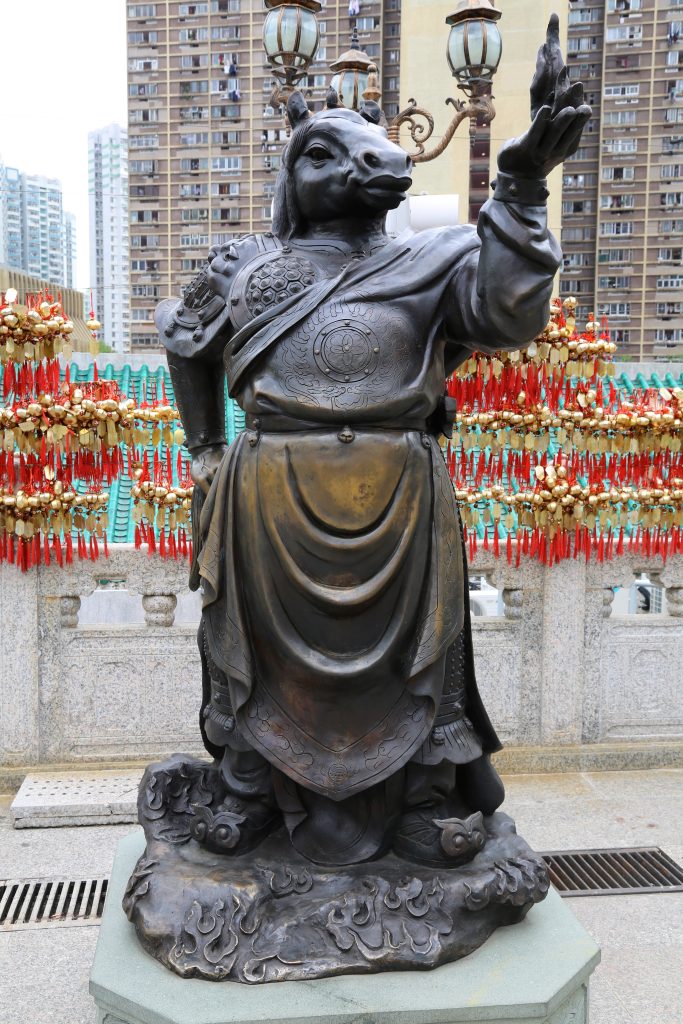
No Lunar New Year in Hong Kong is complete without a temple visit. Locals head to Man Mo, Wong Tai Sin and other temples to burn incense, thank the gods for the past year and ask for blessings in the one to come.
During the Year of the Horse, many people will focus on wishes related to career moves, travel and bold personal changes – all themes connected with the Horse’s dynamic spirit. Join our one of our private tours to watch fortune sticks being shaken, see how locals make offerings, and learn the etiquette so you can participate respectfully.
If this is your year, be sure to make a special offering at the Wong Tai Sin Temple to ensure that everything runs smoothly for you!
From temples to track: the Jockey Club’s CNY Raceday
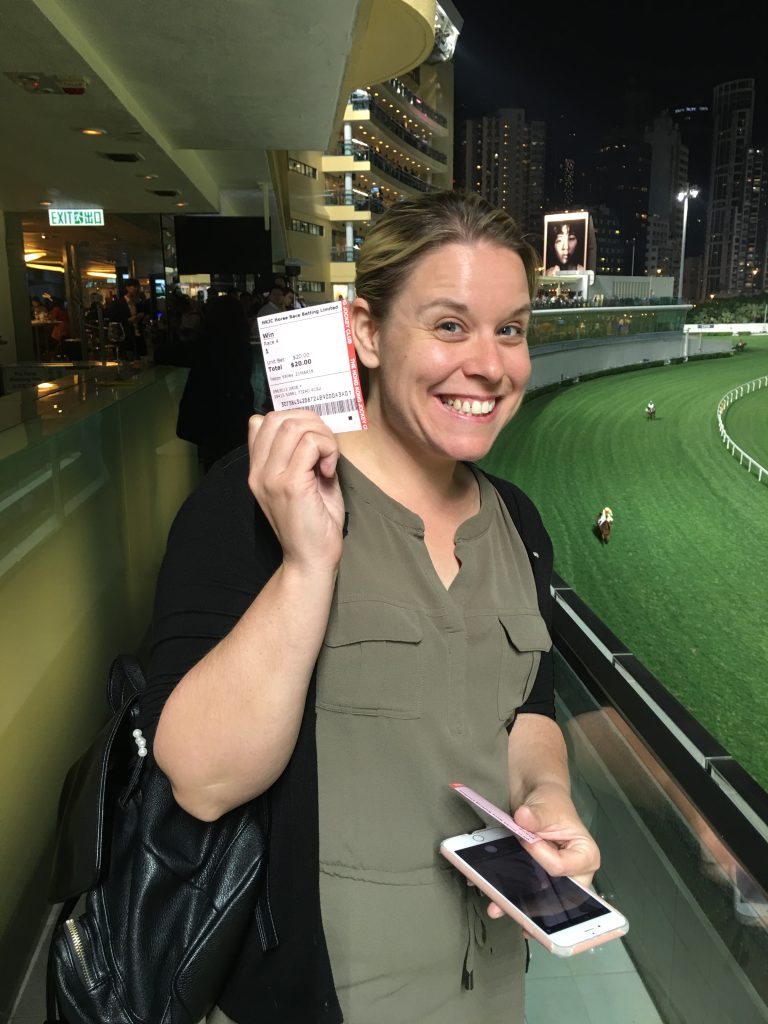
While placing a bet is part of the tradition for many Hongkongers, the whole event is really about “trying your luck” for the year ahead, enjoying the festival atmosphere and soaking up another facet of local culture. At Hong Kong Greeters we don’t advocate gambling, but we love helping guests understand why an afternoon at the races – complete with drums, lion dances and New Year decorations – sits right alongside flower markets and temple visits in the local CNY playbook.
One very Hong Kong expression of New Year optimism is Chinese New Year Raceday at Sha Tin Racecourse, organised by the Hong Kong Jockey Club.
Ask us if you would like to include this visit in one of your tours, because as an overseas visitor, there are also special areas to take advantage of that only you can access!
Bring Horse energy into your own year
Whether you’re a Horse yourself or just borrowing its bold energy for the year, Hong Kong is an inspiring place to set your intentions for the months ahead. Between temple visits, harbour views and shared meals, you’ll have plenty of moments to pause, reflect and decide what you want your “gallop” through the year to look like. 恭喜發財 (gung hei faat coi) or Happy Chinese New Year!!